Smoke Damage Restoration in Denver - Fast, Thorough Cleanup After Fire
Smoke damage restoration in Denver stops soot and odor from spreading after the fire is out. Our certified technicians act fast to restore what can be saved and protect your home from further damage. Call us for a same-day inspection. Get a free inspection today – (855) 933-7926.
We Are Available 24/7 for Smoke Damage Restoration Emergencies in Denver CO. Call (855) 933-7926 for Immediate Response!
- Licensed and Certified
- 24/7 Service Available
- 100% Satisfaction Guarantee
- We Keep Your Family Safe
Even a small house fire in Denver leaves smoke and soot in every room. This page covers our smoke damage restoration service – from soot removal and odor elimination to salvage assessment. Our Denver technicians are available for same-day response, and your inspection starts the restoration plan right away. The same team that handles water damage restoration also handles smoke damage. One call gets you full recovery.
What Does Smoke Damage Restoration in Denver Include?
Smoke damage restoration in Denver removes soot, neutralizes odor, and repairs surfaces damaged by fire smoke. Certified technicians inspect every affected room – walls, ceilings, HVAC ducts, and belongings. The goal is to restore your home to its pre-fire condition.
- Soot removal from walls, ceilings, and contents
- Odor elimination using thermal fogging or ozone treatment
- Structural drying and surface repairs where needed
Learn about our full range of fire and smoke damage restoration services in Denver.
Smoke Damage Can Be Repaired - Here Is What the Process Covers
Most smoke damage is repairable when professionals act fast. Soot bonds to surfaces within hours, so early cleanup limits permanent staining. Odor molecules penetrate drywall, insulation, and wood if not treated quickly.
Denver homeowners dealing with kitchen fires, fireplace malfunctions, or wildfire smoke intrusion all need the same core services. A full restoration plan covers surfaces, air quality, and contents – not just visible soot.
Denver’s dry climate causes soot to set faster than in humid regions. Same-day response is critical to preventing permanent damage.
What Is Salvageable After Smoke Damage in Your Denver Home
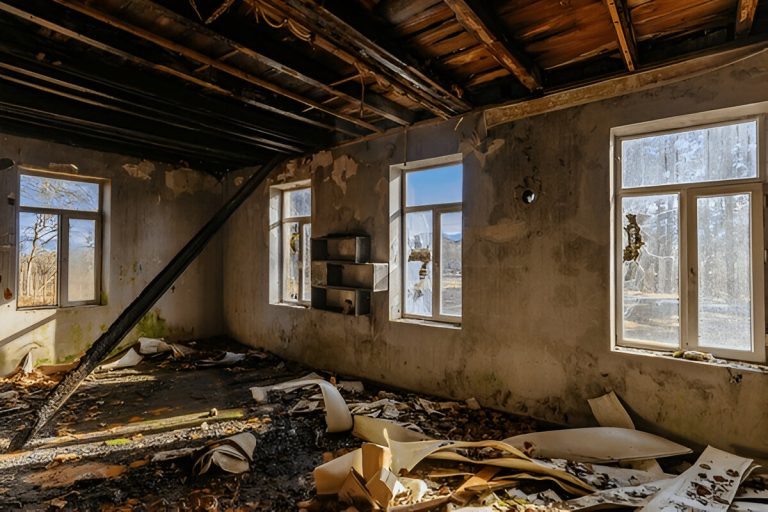
Furniture, clothing, documents, and electronics are often salvageable with the right cleaning methods. Hard surfaces clean up well. Porous materials like carpet and drywall may need replacement. A technician assesses each item before any disposal decision is made.
Families in Denver who want to avoid replacing everything benefit most from a professional contents evaluation. Knowing what can be saved reduces your out-of-pocket costs and speeds up your recovery timeline.
High-altitude UV exposure in Denver can pre-stress certain materials. Soot damage on sun-exposed surfaces like south-facing wood trim may require replacement rather than cleaning.
Why Painting Over Smoke Damage Makes the Problem Worse
Paint does not seal in smoke odor or block soot stains long-term. Smoke and soot compounds bleed through standard paint within weeks. Proper cleaning and sealing primer must come first.
Denver landlords and homeowners trying to speed up repairs sometimes skip cleaning steps. This leads to odor return and paint failure. Doing surface prep correctly the first time avoids costly repaints and lingering odor complaints.
Denver’s low humidity causes paint to dry fast. This can trap odor molecules under an improperly prepped surface, leading to smell return and paint failure down the road.
Call for Professional Smoke Damage Restoration!
How Mold Can Grow on Smoke-Damaged Walls in Denver
Firefighting water combines with smoke residue to create conditions where mold can grow within 24-48 hours. Soot-covered surfaces hold moisture longer than clean surfaces. Mold growth after fire damage is common and often overlooked.
Denver properties that had firefighter hose water or sprinkler activation need mold inspection alongside smoke cleanup. Addressing mold risk early prevents a second, separate remediation job weeks later.
Denver’s freeze-thaw cycles in areas like Baker and Globeville can trap moisture in walls after fire events. This increases mold risk through the winter months.
What Your Homeowners Insurance Typically Covers for Smoke Damage
Most standard homeowners policies cover smoke damage from a sudden, accidental fire. Coverage usually includes cleaning, repairs, and temporary housing if the home is uninhabitable. Documenting damage before cleanup is required by most insurers.
Denver homeowners filing claims need a professional damage report to support their insurance submission. A restoration company experienced with insurance documentation helps move claims forward faster.
Colorado insurers may apply separate deductibles for wildfire-related smoke events. This is a relevant factor for Denver properties near open space corridors in areas like Montbello or Green Valley Ranch.
What Gets Rid of Smoke Damage – The Restoration Steps Professionals Use
Dry Soot Removal
Dry soot removal always comes first. Technicians use dry-cleaning sponges and HEPA vacuums to lift soot from surfaces without smearing it deeper into walls, ceilings, and contents.
Wet Cleaning
Once dry soot is cleared, wet cleaning removes bonded residue from surfaces. Skipping this step or reversing the order spreads soot and causes permanent staining.
Odor Treatment
Thermal fogging or hydroxyl generators neutralize smoke odor at the molecular level. HVAC systems are also cleaned at this stage to prevent odor from recirculating through the home.
Air Quality Confirmation
Denver's dry air and wildfire smoke season mean whole-house contamination is common. Our technicians run HEPA air scrubbers continuously until post-cleanup air quality testing confirms the space is safe.

Frequently Asked Questions
Can Smoke Damage In My Denver Home Be Fully Restored?
Yes, in most cases smoke damage can be fully restored with fast professional response and the right cleaning methods. Most surfaces can be cleaned and odors eliminated. A technician assessment confirms the full scope of work needed.
What Should I Save And What Should I Throw Away After Smoke Damage?
Do not discard anything before a technician inspects the items. Hard surfaces and sealed items often clean up well. Porous items with heavy soot saturation may need replacement, but that call should be made by a professional.
Will My Homeowners Insurance Cover Smoke Damage Restoration In Denver?
Most policies cover smoke damage from an accidental fire. Document all damage before cleanup begins and ask your restoration company for a written scope report to submit to your adjuster.
Can Smoke Damage Cause Mold In My Home?
Yes – firefighting water combined with smoke residue creates mold risk within 24-48 hours. Mold inspection should happen at the same time as smoke cleanup, not after.
How Long Does Smoke Damage Restoration Take In Denver?
Small jobs typically take 2-5 days. Whole-house restoration with structural repairs can take several weeks. Your technician provides a timeline after the initial inspection.
Do I Need To Leave My Home During Smoke Damage Cleanup?
It depends on the extent of damage and the treatments being used. Your technician will advise you based on air quality and treatment type during the assessment.
Kinrest Property Restoration of Denver 851 CO-224 Unit A9, Denver, CO 80229 (855) 933-7926 Available 24/7