Ceiling Water Damage in Denver - Stop the Spread Before It Gets Worse
Ceiling water damage restoration in Denver, Colorado – inspections same-day, mitigation starts right after. Call Kinrest Property Restoration now at (855) 933-7926. We find the source, dry the structure, and restore your ceiling – not just the stain.
We Are Available 24/7 for Ceiling Water Damage in Denver CO. Call (855) 933-7926 for Immediate Response!
- Licensed and Certified
- 24/7 Service Available
- 100% Satisfaction Guarantee
- We Keep Your Family Safe

In Denver, ceiling water damage can come from burst pipes, roof leaks, or HVAC condensation – especially during freeze-thaw cycles. This page covers what ceiling water damage looks like, how restoration works, and who needs it. Most inspections happen same-day, and mitigation begins right after assessment. Our licensed water damage restoration team finds the source, dries the structure, and restores the ceiling – not just the surface stain.
What Ceiling Water Damage in Denver Actually Looks Like?
Yellow or brown stains on drywall are the most common first sign of a leak. Bubbling paint, soft spots, or sagging sections mean moisture is trapped inside the ceiling. Some leaks stay hidden for weeks before any visible signs appear. Denver homeowners in older Capitol Hill or Highlands bungalows often discover leaks during routine repaints.
Catching early signs prevents full ceiling replacement down the road. Denver’s dry climate can mask active moisture – surfaces dry fast while framing stays wet underneath.
Why Denver Homes Are Especially Vulnerable to Ceiling Leaks
Denver’s freeze-thaw cycles put stress on roofing, flashing, and exposed pipes throughout the year. Supply lines in uninsulated attic spaces can freeze and burst when temps drop overnight. HVAC condensation lines that clog or disconnect drip directly onto ceiling drywall. Multi-story homes and condos face leak risks from plumbing on upper floors.
Denver sits at 5,280 feet – temperature swings are wider than most cities, accelerating material wear. Both new builds and century-old structures are at risk, just for different reasons.
How Ceiling Water Damage Restoration Works - Step by Step
Step 1: A technician inspects the ceiling and surrounding areas with moisture meters and thermal cameras.
Step 2: The water source is identified and stopped – no restoration starts before the leak is controlled.
Step 3: Affected drywall, insulation, or framing is removed if saturated beyond drying thresholds.
Step 4: Industrial air movers and dehumidifiers run until moisture readings return to normal.
Step 5: Antimicrobial treatment is applied if mold risk is present.
Step 6: Drywall and finishes are repaired or replaced to match the existing ceiling.
Our Denver restoration teams follow IICRC S500 drying standards throughout every job.

When a Water-Damaged Ceiling Becomes a Safety or Mold Risk
A ceiling that sags more than an inch under its own weight is at risk of partial collapse. Standing water trapped above drywall adds significant load – enough to pull fasteners loose. Mold can begin growing on wet drywall within 24 to 48 hours in the right conditions.
Denver’s low humidity slows surface drying but does not stop mold growth inside wall cavities. Residents in Washington Park and Sloan’s Lake have reported mold discovered weeks after a visible stain dried. Calling a restoration crew within the first 24 hours reduces both collapse risk and mold spread.
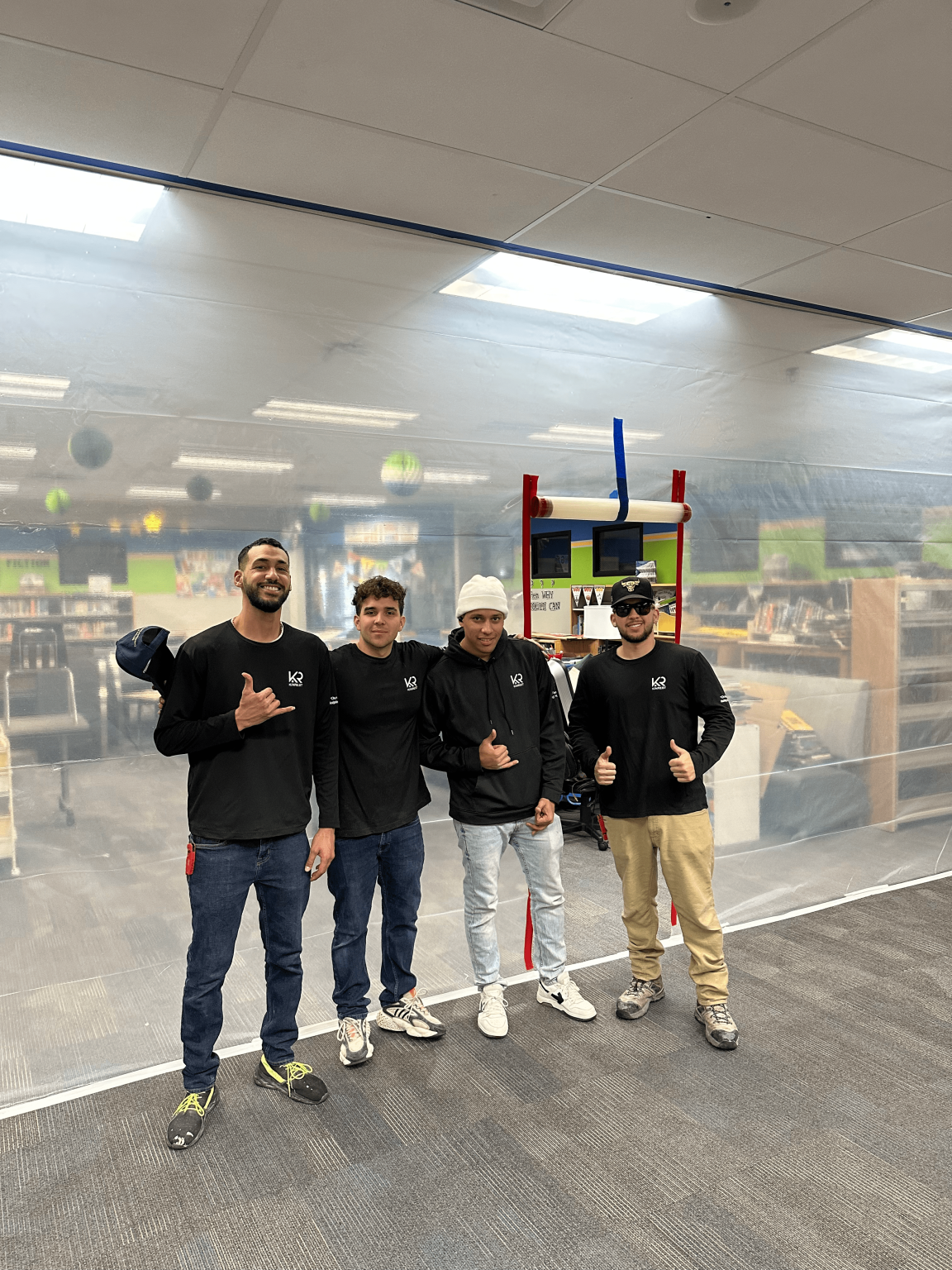
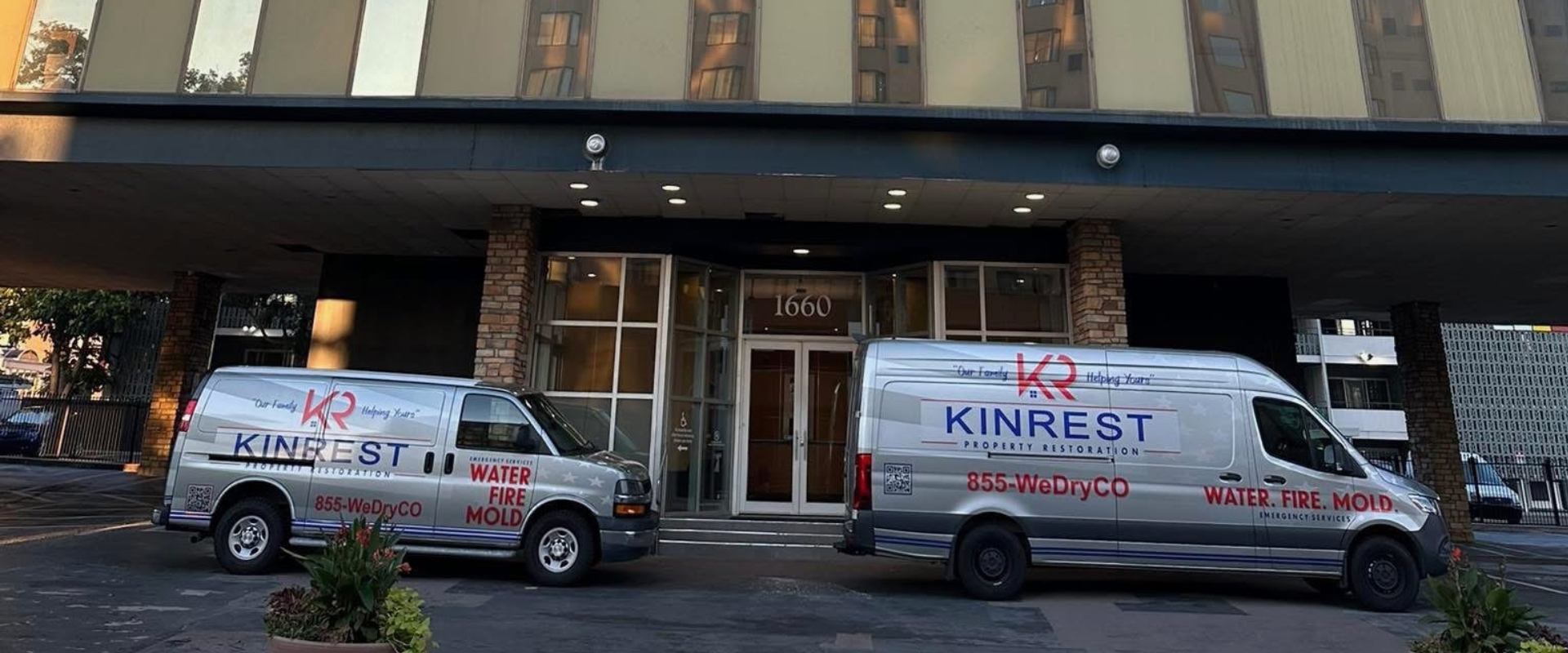
Call Kinrest Property Restoration for Ceiling Water Damage Services in Denver Metro Area.
What to Do First When You Spot Ceiling Water Damage
- Move furniture and valuables away from the affected area immediately.
- Place a bucket or towels under any active drip to limit floor damage.
- Do not poke a hole in a sagging ceiling – this can trigger a collapse.
- Locate the water shutoff if a burst pipe is suspected.
- Document the damage with photos before touching anything – this supports insurance claims.
- Call a licensed water damage restoration company in Denver for a same-day inspection.
- Avoid running fans before a technician confirms airflow will not spread contamination.
How Homeowners Insurance Applies to Ceiling Water Damage
Most standard homeowners policies cover sudden and accidental water damage – like a burst pipe. Damage from long-term leaks or lack of maintenance is typically excluded. Roof leak coverage depends on whether the roof damage itself is a covered peril.
A restoration company can document moisture readings and damage scope for your adjuster. Denver homeowners should review their policy for “ensuing damage” language – it affects ceiling repair coverage. Filing promptly matters, as most policies have reporting windows after a loss event.
We offer complete water damage repair and restoration.
Frequently Asked Questions
Can a Water-Damaged Ceiling in Denver Be Repaired Without Full Replacement?
Yes – if drywall is caught early and dried fully, patching and repainting may be enough. Saturated or crumbling sections require replacement. The sooner you call, the more material we can save.
How Long Does It Take to Dry Out a Ceiling After Water Damage?
Drying typically takes 3 to 5 days with professional equipment. If insulation above the ceiling is also wet, it can take longer. Moisture meters confirm when the structure has reached safe drying levels.
Can Mold Grow on a Ceiling That Looks Dry?
Yes – Denver’s dry air dries the surface fast, but moisture trapped inside framing or insulation still supports mold growth. A surface that looks dry is not always structurally dry.
What Does the Start of Ceiling Water Damage Look Like?
Early signs are small yellow or tan ring stains, slightly soft drywall, or paint that appears to be bubbling at the edges. If you notice any of these, call for an inspection before the damage spreads.
Will My Homeowners Insurance Cover Ceiling Water Damage From a Roof Leak?
Sudden storm damage is usually covered. Slow leaks from wear and maintenance issues are often excluded. Document everything and call your adjuster early – we can provide moisture readings to support your claim.
How Do I Know if My Ceiling Is About to Collapse From Water Damage?
Warning signs include visible sagging, cracking along seams, and a bulging surface. If you see any of these, evacuate the area and call a restoration company immediately.
Kinrest Property Restoration of Denver 851 CO-224 Unit A9, Denver, CO 80229 (855) 933-7926 Available 24/7