Appliance Leak Cleanup in Denver - Fast Response When It Matters
Kinrest Property Restoration offers appliance leak cleanup in Denver, CO. Call us 24/7 at (855) 933-7926 for same-day water extraction and drying after a washer, fridge, or dishwasher leak.
We Are Available 24/7 for Appliance Leak Cleanup in Denver. Call (855) 933-7926 for Immediate Response!
- Licensed and Certified
- 24/7 Service Available
- 100% Satisfaction Guarantee
- We Keep Your Family Safe

In Denver, appliance leaks are one of the most common causes of indoor water damage. Water from a burst hose, slow drip, or faulty drain line spreads fast – often reaching areas you cannot see. We provide professional cleanup after washer, refrigerator, dishwasher, and other appliance leaks. Local crews are available for same-day response, assessment, and drying. This is full water damage restoration – not just mopping up.
What Does Appliance Leak Cleanup in Denver Involve?
Appliance leak cleanup in Denver is the process of removing standing water, drying structural materials, and checking for hidden moisture after a washer, refrigerator, or dishwasher leak. A certified water damage restoration crew handles extraction, drying equipment setup, and moisture testing. Cleanup typically begins within hours to prevent mold growth and floor damage.
- Water extraction using professional-grade equipment
- Drying of subfloor, walls, and cabinets as needed
- Moisture readings to confirm the area is fully dry
What Appliance Leak Cleanup Actually Involves
Appliance leak cleanup goes beyond wiping up water. It includes extracting water from floors and cavities, setting up industrial drying equipment, and testing moisture levels in walls and subfloors. Cleanup ends when readings confirm all materials are dry.
Many Denver homeowners who find water under a washer or behind a fridge have no idea how far the moisture has spread. Professional cleanup stops damage from getting worse and reduces the risk of mold growth. Denver’s semi-arid climate can cause surface water to evaporate quickly – masking moisture that stays trapped in subfloors and wall cavities.
Common Appliances That Cause Water Damage in Denver Homes
Washing machines leak from supply hoses, door seals, and drain lines. Refrigerators leak from icemaker lines and drain pans. Dishwashers fail at door gaskets and supply connections. Any of these can release water slowly for weeks before being noticed.
In older Denver neighborhoods like Sunnyside and Berkeley, aging appliance connections and original flooring increase the risk of undetected leaks. Knowing the most common sources helps you catch damage early – before it reaches the subfloor or spreads to adjacent rooms. Denver’s hard water accelerates wear on hoses and seals, making those connections more prone to failure over time.

When a Small Appliance Leak Becomes a Big Water Damage Problem
A slow drip from a washer hose or fridge line can saturate hardwood floors, swell baseboards, and create conditions for mold within 24 to 48 hours. Small leaks are not low-risk – they are just slower to show visible signs.
Denver homeowners often discover leaks during routine cleaning or when flooring starts to buckle. Early professional assessment prevents a minor leak from becoming a full floor replacement or mold remediation project. In Denver’s older bungalows and ranch-style homes, subfloor materials absorb moisture quickly and are costly to replace if damage goes untreated.
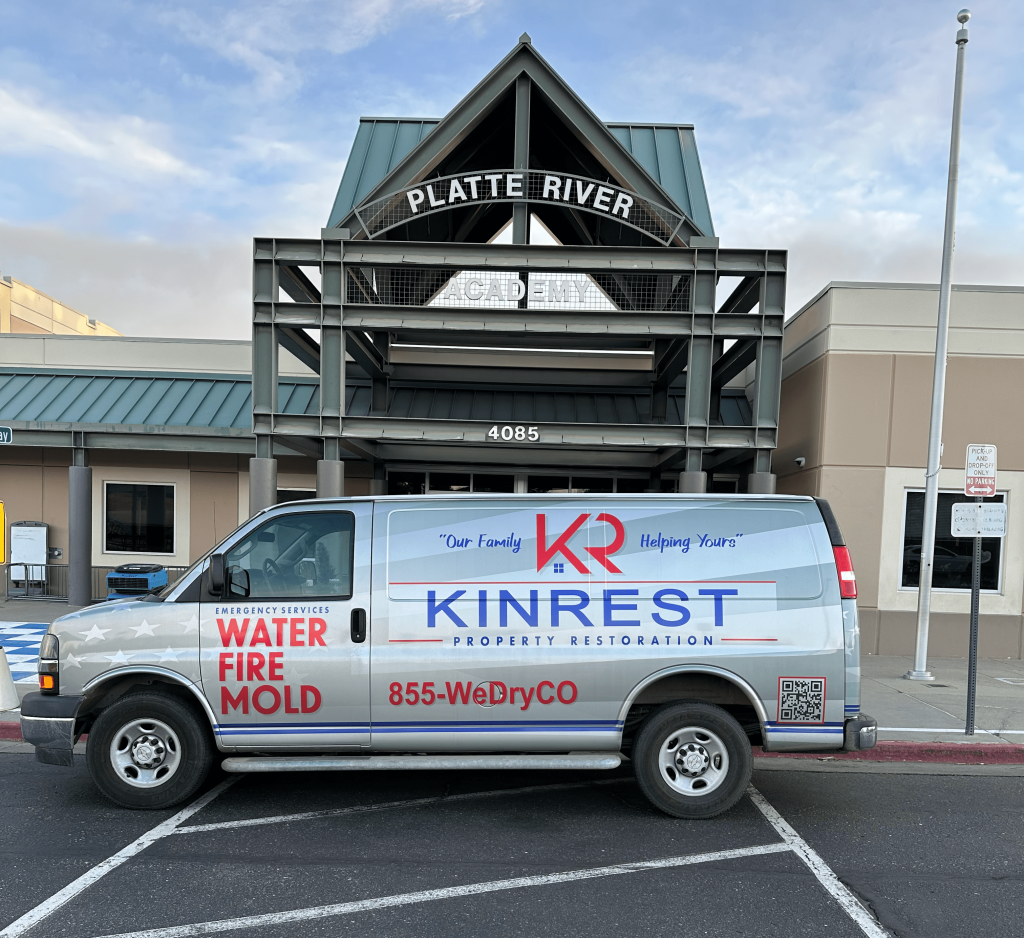
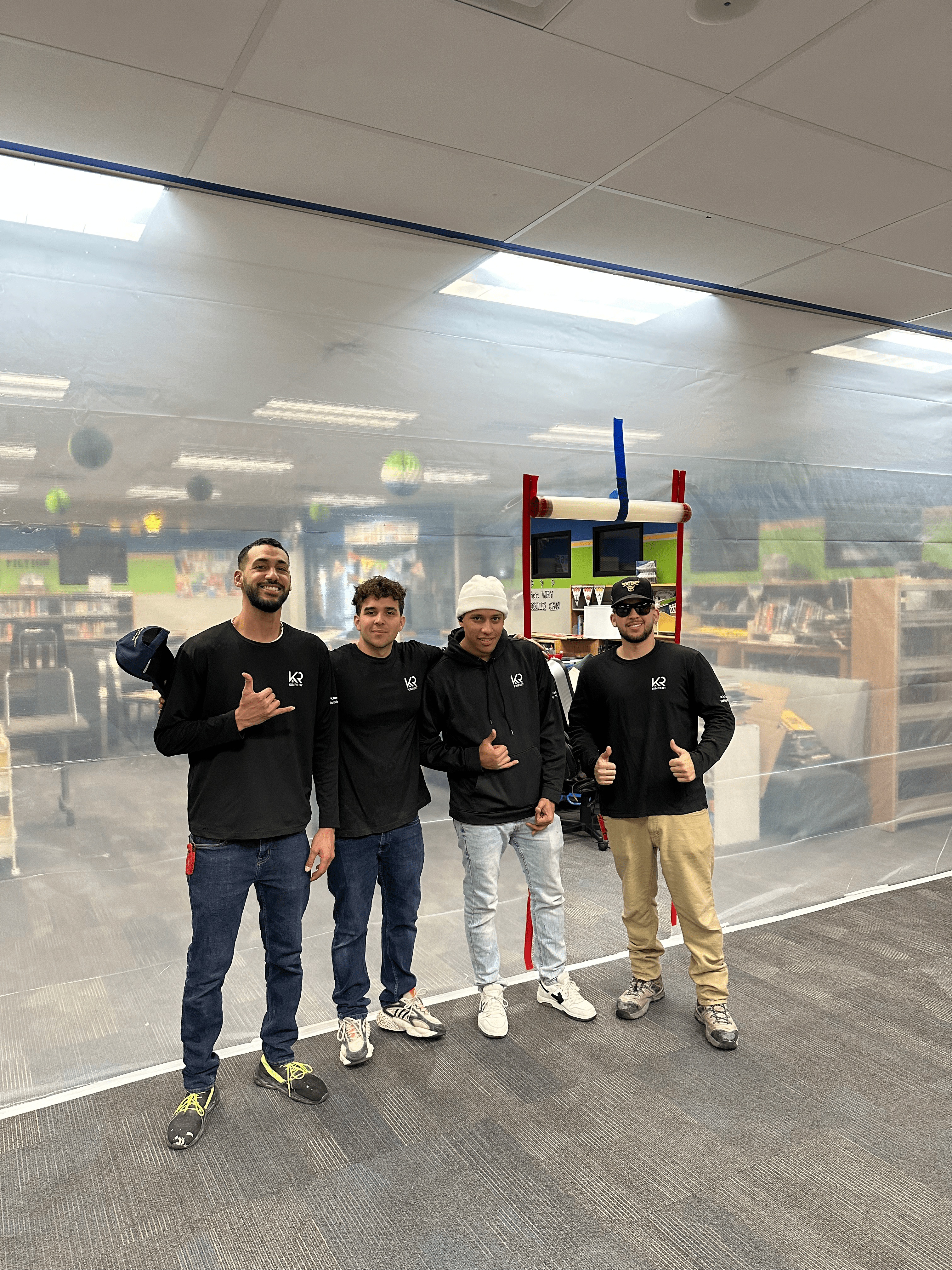
Call Kinrest Property Restoration for Appliance Leak Cleanup in Denver Metro Area.
How the Cleanup Process Works - From Extraction to Drying
A restoration crew first shuts off the water source and removes standing water with extraction equipment. Drying machines and dehumidifiers are placed to pull moisture from floors, walls, and cabinets. Technicians take daily moisture readings until all affected materials reach dry standard levels.
This process applies whether the leak is in a finished basement laundry room in Washington Park or a first-floor kitchen in Central Park. Professional equipment is faster and more thorough than towels, fans, or waiting for air drying. Denver’s altitude affects drying times – lower air pressure changes evaporation rates, which our certified technicians account for when setting up equipment.
What to Do Right After You Find an Appliance Leak
Stop the water source first – shut off the appliance’s supply valve or the home’s main water shutoff. Move rugs, furniture, and items off wet flooring. Do not run fans before a professional assesses the area, as improper airflow can push moisture into walls or spread contaminants.
Fast action matters most in finished spaces – a basement laundry room or kitchen with hardwood floors can absorb water in minutes. Taking the right first steps protects the structure and makes professional cleanup faster and more effective. Denver homeowners on slab foundations should be especially cautious – water under tile or LVP on slab is difficult to detect without moisture meters.
Hidden Moisture After an Appliance Leak - What Denver Homeowners Miss
Water travels along the path of least resistance – under flooring, into wall cavities, and beneath cabinets. Visual inspection rarely shows the full extent. Moisture meters and thermal imaging reveal where water has migrated that cannot be seen.
Homeowners in Denver’s Highlands and Wash Park neighborhoods with finished basements face elevated risk from undiscovered moisture after appliance leaks on upper floors. Finding hidden moisture before it causes mold or structural damage saves significant time and cost. Denver’s temperature swings between seasons can cause trapped moisture to cycle between wet and dry states – making re-checks important after any leak event.
Part of our full water damage restoration service line.
Frequently Asked Questions
What Should I Do First When I Find a Washer or Fridge Leak in My Denver Home?
Shut off the appliance supply valve right away, move items off wet floors, and call a water damage restoration professional for an assessment. Fast action limits how far water spreads before cleanup begins.
How Long Does Appliance Leak Cleanup Take?
Most cleanup and drying takes two to five days depending on the extent of moisture and the materials affected. Technicians take daily moisture readings to track progress and confirm when drying is complete.
Can a Small Appliance Leak Cause Mold in My Denver Home?
Yes – mold can begin to develop within 24 to 48 hours in wet conditions, especially in enclosed spaces like under cabinets or behind walls. A professional assessment after any leak helps catch conditions that lead to mold before they become a bigger problem.
Do I Need a Plumber or a Water Damage Restoration Company After an Appliance Leak?
Both may be needed – a plumber fixes the source of the leak, and a water damage restoration company handles cleanup, drying, and moisture testing. These are two separate scopes of work.
How Do Technicians Find Hidden Moisture After an Appliance Leak?
Certified technicians use moisture meters and thermal imaging cameras to detect water in walls, floors, and cavities not visible to the eye. These tools confirm the full extent of water migration before drying begins.
Is the Floor Always Damaged After a Dishwasher or Washing Machine Leak?
Not always – fast response and professional drying can save flooring if cleanup starts quickly after the leak is discovered. The sooner water is extracted, the better the chances of protecting floors and subfloor materials.
Kinrest Property Restoration of Denver 851 CO-224 Unit A9, Denver, CO 80229 (855) 933-7926 Available 24/7