Emergency Water Removal in Denver - Fast Response When Water Can't Wait
Water on your floor right now? Our Denver crews respond fast – day or night. We handle emergency water removal for flooded basements, burst pipes, and storm overflow. Fast extraction stops water from spreading and cuts your total drying time. Call us now at (855) 933-7926 or read below to know what to expect.
We Are Available 24/7 for Emergency Water Removal in Denver CO. Call (855) 933-7926 for Immediate Response!
- Licensed and Certified
- 24/7 Service Available
- 100% Satisfaction Guarantee
- We Keep Your Family Safe

Water damage moves fast in Denver. Burst pipes, spring snowmelt, and sudden storms push water into homes before you have time to react. This page covers emergency water removal – flooded basements, standing water, saturated floors, and post-pipe-break cleanup. Our crews are available around the clock. Removal starts at the source and works outward. As a water damage restoration service, our goal is dry, safe, and documented – not just pumped out.
What Is Emergency Water Removal in Denver?
Emergency water removal is the fast extraction of standing water after a flood, pipe break, or storm event. In Denver, crews use truck-mounted pumps and industrial extractors to pull water from floors, walls, and subfloors. Speed matters – the longer water sits, the deeper it soaks.
- Starts with extraction, then moves to drying
- Works in basements, crawlspaces, and finished living areas
- Documents damage for insurance filing
Water Removal Is the First Step in Stopping Damage from Spreading
Standing water soaks into drywall, subfloor, and insulation within minutes. Extraction stops that process before it reaches structural materials. You cannot dry what is still wet – removal always comes first.
Denver homeowners dealing with basement floods, broken supply lines, or overflowed appliances need fast action. Early removal cuts total drying time and reduces the scope of tearout. Capitol Hill and Wash Park bungalows are common examples – their unfinished basements flood fast and hold water longer than finished spaces.
Most Water Emergencies in Denver Need Professional Equipment - Not a Mop
Submersible pumps and truck-mounted extractors remove hundreds of gallons fast. Wet-vacs and towels leave moisture behind inside walls and under flooring. That hidden moisture is exactly where mold starts.
If you tried to clean up yourself but still smell something musty a few days later, there is likely moisture left behind that home tools cannot reach. Professional extraction goes below tile and into wall cavities. Denver’s low humidity can make things feel dry – but enclosed basements trap moisture and slow natural evaporation even at altitude.

Mold Can Start Growing Within 24-48 Hours After a Basement Flood
Mold spores are always present. They just need moisture and a surface. After a flood, drywall and wood framing become feeding grounds within one to two days. Fast water removal and drying is the only thing that closes that window.
Denver families with kids, seniors, or anyone with allergies or asthma cannot afford to let mold take hold. Emergency removal paired with air movers and dehumidifiers keeps mold from starting. Neighborhoods like Five Points and Globeville have older housing stock with wood-framed walls that absorb moisture quickly – which makes the first 24 hours critical.
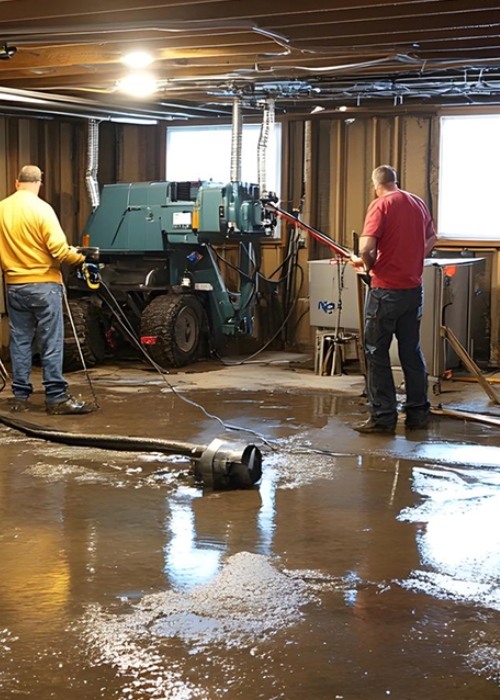
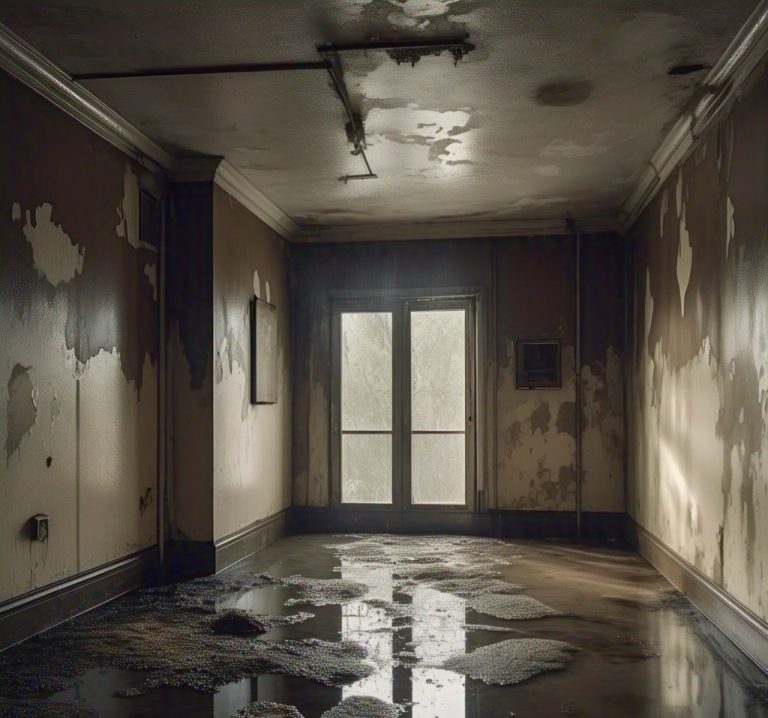
Call Kinrest Property Restoration for Professional Flooded Basement Cleanup Removal in Denver Metro Area.
Your Homeowners Insurance Likely Covers Emergency Water Removal
Sudden and accidental water events – like a burst pipe or appliance overflow – are usually covered by homeowners insurance. Gradual leaks or flooding from outside sources follow different rules. A documented removal report helps your adjuster approve the claim faster.
If you are a Denver homeowner filing a claim after a pipe burst or appliance failure, working with a restoration company that coordinates directly with insurance adjusters reduces your paperwork and speeds up approval. Denver’s freeze-thaw cycle in February and March causes more burst pipe claims than any other time of year. Carriers see this pattern – and they respond faster to documented reports.
What Happens During an Emergency Water Removal Visit
When our crew arrives, we assess the source of the water first. Then extraction begins with pumps or industrial extractors. Moisture meters map how far water has traveled – including into walls and under flooring. Drying equipment goes in before the crew leaves.
If you have never dealt with a water emergency, you will not be left guessing. The visit ends with a written moisture map and a drying plan – not just a wet-vac and a handshake. In Denver’s Highlands neighborhood, finished lower levels often require pulling flooring to reach subfloor moisture. We check for that before we go.
How to Slow the Damage Before the Crew Arrives
There are a few things you can do in the first 30 to 60 minutes after water appears. Shut off the water source if it is safe to reach. Move furniture and valuables off wet floors. Do not run a regular household fan – it can push mold spores into other rooms.
Small actions before the crew arrives can protect your belongings and reduce total drying scope. One thing Denver homeowners often overlook: know where your main water shutoff is before winter hits. Water heaters and supply lines in unheated garages are common failure points when temperatures drop.
Learn about our full range of water damage restoration services in Denver.
Frequently Asked Questions
How Fast Can a Denver Crew Respond to a Water Emergency?
Many local water damage restoration services offer same-day and overnight response. Response times vary – confirm availability and estimated arrival when you call (855) 933-7926.
Does Homeowners Insurance Cover Emergency Water Removal in Denver?
Sudden events like burst pipes are typically covered by homeowners insurance. Gradual leaks and outside flooding often follow different coverage rules. Document all damage with photos before cleanup starts to support your claim.
How Quickly Does Mold Grow After a Flood?
Mold can begin growing within 24 to 48 hours of a water event. Fast extraction and drying is the best way to prevent it from starting.
Can I Remove Standing Water Myself With a Shop Vac?
A shop vac can handle surface water, but it misses moisture inside walls and under floors. Professional extraction equipment goes deeper – including below tile and into wall cavities where mold starts.
What Should I Do While Waiting for the Water Removal Crew?
Shut off the water source, move valuables off wet floors, skip the household fan, and photograph all visible damage. These steps protect your property and support your insurance claim.
Is Emergency Water Removal Different From Regular Water Damage Cleanup?
Emergency water removal is the extraction phase – it comes first. Drying, dehumidification, and any structural repairs follow after standing water and saturation have been addressed.
Kinrest Property Restoration of Denver 851 CO-224 Unit A9, Denver, CO 80229 (855) 933-7926 Available 24/7