Frozen Pipe Damage Denver - Fast Restoration When Pipes Burst
Frozen pipe damage restoration in Denver – we extract water and dry out walls, floors, and ceilings after a pipe bursts. Call (855) 933-7926 for same-day assessment. Serving Capitol Hill, Wash Park, Highlands, and the greater Denver area.
We Are Available 24/7 for Frozen Pipe Damage in Denver. Call (855) 933-7926 for Immediate Response!
- Licensed and Certified
- 24/7 Service Available
- 100% Satisfaction Guarantee
- We Keep Your Family Safe

In Denver, winter temperatures regularly drop below zero – freezing pipes in attics, crawl spaces, and exterior walls. This page covers frozen pipe damage: what causes it, what gets damaged, and how restoration works. Our water damage restoration team is available for emergency response after a pipe bursts or leaks. We restore properties – we do not perform plumbing repair or pipe replacement.
What Is Frozen Pipe Damage in Denver?
Frozen pipe damage in Denver occurs when water inside pipes expands during freezing temperatures, causing pipes to crack or burst. When a pipe bursts, it can release dozens of gallons of water into walls, floors, and ceilings before the leak is noticed. Water damage restoration addresses the flooding and structural damage that follows.
Key damage types:
- Saturated drywall and insulation
- Warped hardwood or subfloor
- Mold growth in hidden wall cavities
How Frozen Pipes Cause Water Damage in Denver Homes
Water expands when it freezes. That pressure builds against pipe walls until they crack or split. When temperatures rise, the thawed water rushes through the break and into the structure.
Denver homeowners in older homes near Park Hill and University Hills often face this after overnight cold snaps. A single burst pipe can release enough water to damage multiple rooms. Colorado’s rapid freeze-thaw cycles – common from November through March – make this a repeated seasonal risk.
Signs of Pipe Damage After a Freeze Event
Wet drywall, bubbling paint, warped floors, dripping ceilings, and a sudden drop in water pressure are the most common signs. A musty smell inside walls can signal water that has been sitting since an unnoticed freeze event.
Denver homeowners in slab-foundation homes may not notice damage until flooring begins to buckle. Catching damage early limits how far water spreads through building materials. Post-freeze inspections should include attics and crawl spaces where pipes are least insulated against Denver winters.

Which Pipes Are Most Likely to Freeze First
Pipes along exterior walls, in unheated garages, under sinks near outside-facing cabinets, and in attic runs freeze first. Homes in Denver neighborhoods like Globeville and Swansea – with older housing stock – often have pipes in vulnerable locations.
Copper and galvanized pipes conduct cold faster than PEX, making older plumbing more susceptible. Pipes near poorly sealed rim joists are a common freeze point in Denver’s older bungalow-style homes. Understanding where freezing starts helps our restoration crews trace water migration after a burst.
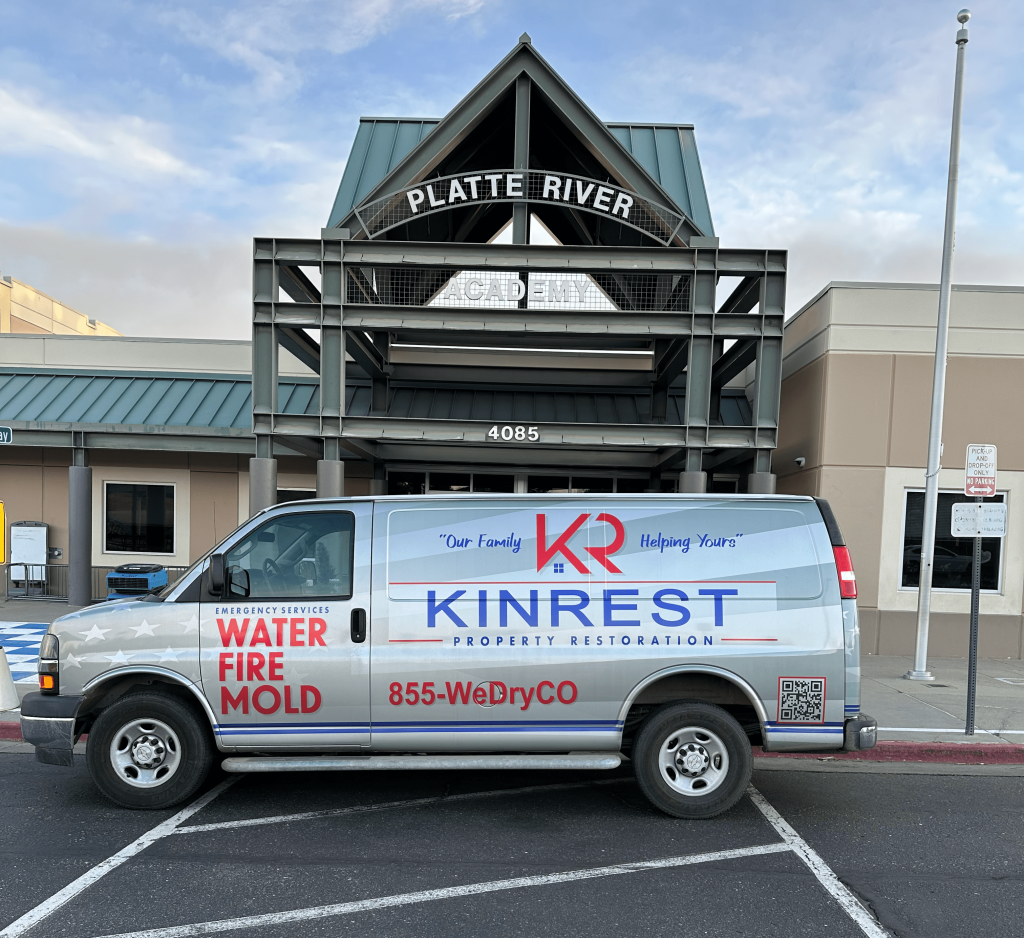
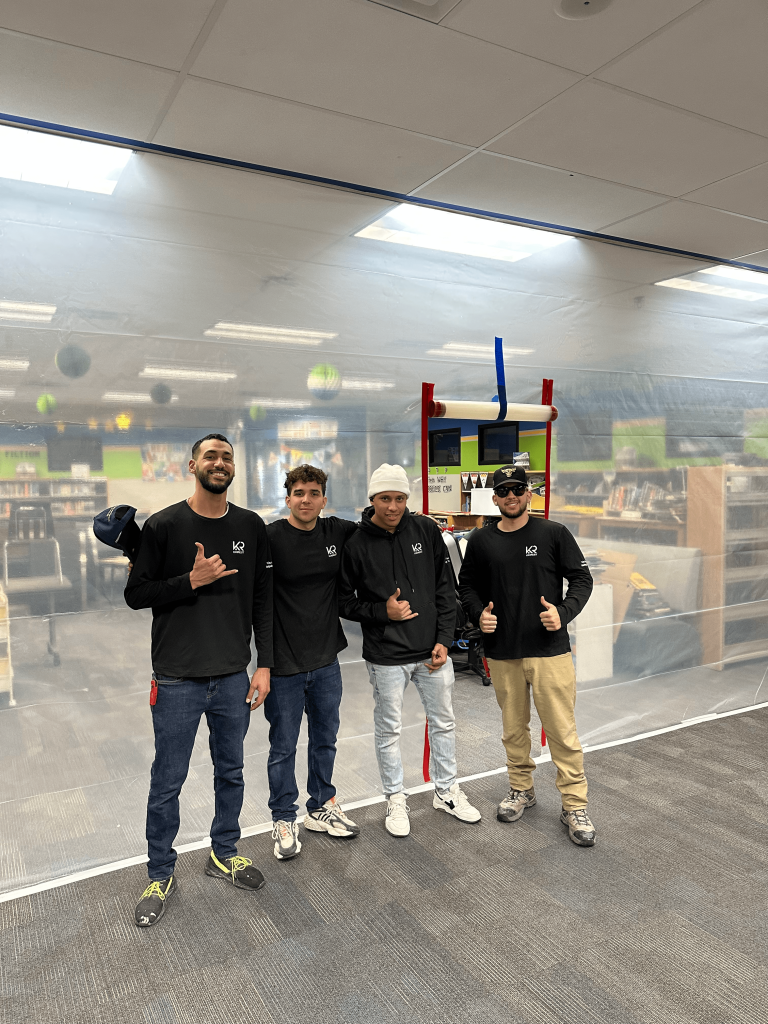
Call Kinrest Property Restoration for Frozen Pipe Damage in Denver Metro Area.
What to Do - and Not Do - When You Discover Frozen Pipes
Shut off the main water supply immediately if you suspect a pipe has burst or is actively thawing. Do not use open flames, heat guns at close range, or boiling water to thaw pipes – these can cause burns and crack pipes further.
In Denver, a space heater aimed at the frozen section or warm towels wrapped around the pipe are safer options. Leave faucets open while thawing – this relieves pressure and confirms when flow is restored. Call a water damage restoration team as soon as water is confirmed. Do not wait to see if it dries on its own.
How Water Damage Restoration Works After a Burst Pipe
Restoration begins with water extraction using truck-mounted or portable units to remove standing water fast. Crews then set industrial air movers and dehumidifiers to dry out walls, floors, and cavities.
Moisture meters track drying progress inside building materials – not just surface-level readings. Denver homes with finished basements often need targeted drying behind drywall to prevent mold in hidden spaces. Damaged drywall, insulation, and flooring are removed only after moisture mapping confirms the full affected area.
What Denver Homeowners Should Expect During the Restoration Process
Most residential frozen pipe restoration jobs in Denver take three to five days of active drying. A project manager documents damage with photos and moisture readings before, during, and after drying.
Homeowners in areas like Sloan’s Lake can expect daily check-ins and equipment adjustments throughout the process. Colorado’s low humidity helps drying times compared to more humid climates – but attic and wall cavities still need monitoring. Final steps include a clearance reading confirming materials have returned to normal moisture levels before any rebuild begins.
See everything our Denver restoration team handles.
Frequently Asked Questions
Does a Frozen Pipe Always Mean It Will Burst?
Not always – but a pipe that has frozen once is under stress and should be inspected before the next cold snap.
How Long Can a Pipe Stay Frozen Before It Bursts?
There is no fixed window – pipe material, pressure, and temperature all affect timing. Treat every frozen pipe as urgent.
What Are the First Signs of Water Damage After a Freeze in Denver?
Wet ceilings, soft drywall, bubbling paint, or a musty odor inside walls are the most common early indicators.
Should I Leave a Faucet Running If I Think a Pipe Is Frozen?
Yes – a slow drip keeps water moving and reduces pressure buildup that leads to bursting.
Will a Small Drip From a Frozen Pipe Get Worse Over Time?
Yes – even a pinhole leak will widen as the pipe continues to thaw and pressure increases.
When Should I Call a Water Damage Restoration Company Instead of Just a Plumber?
Once water has entered walls, floors, or ceilings, a restoration team is needed – plumbers fix the pipe, restoration crews fix the damage.
Kinrest Property Restoration of Denver 851 CO-224 Unit A9, Denver, CO 80229 (855) 933-7926 Available 24/7