Hardwood Floor Water Damage Restoration Denver
We restore water-damaged hardwood floors in Denver – call (855) 933-7926 for a same-day assessment. Most floors can be saved without full replacement if drying starts within 24-48 hours. Call now before moisture causes permanent damage.
We Are Available 24/7 for Hardwood Floor Water Damage Restoration in Denver. Call (855) 933-7926 for Immediate Response!
- Licensed and Certified
- 24/7 Service Available
- 100% Satisfaction Guarantee
- We Keep Your Family Safe

In Denver, water damage to hardwood floors can happen fast – from burst pipes, appliance leaks, or spring snowmelt. This page covers what hardwood floor water damage restoration includes, when it’s needed, and what the process looks like. Most assessments happen within 24 hours; restoration timelines vary by severity. Our goal is to dry, extract moisture from, and restore your floors – not just cover up the damage.
Can Hardwood Floors Be Restored After Water Damage in Denver?
Yes – hardwood floors can often be restored after water damage if drying starts within 24-48 hours. Restoration professionals in Denver use industrial drying equipment to pull moisture from the wood before warping becomes permanent. Boards that are severely buckled or cupped may need sanding or selective replacement after the drying process is complete.
- Drying time matters – the sooner crews arrive, the more floor can be saved
- Subfloor moisture must be tested before restoration work begins
- Mold can grow under hardwood within 24-48 hours in damp conditions
Most Water-Damaged Hardwood Floors Can Be Saved With Fast Action
Hardwood is porous – it absorbs water quickly, but it can also release it when dried properly. Many floors that look ruined are still salvageable with the right equipment and timing. The key is acting before the wood fibers permanently expand or mold takes hold.
Denver homeowners dealing with burst pipes, appliance overflows, or slow leaks benefit most from calling quickly. Acting within the first 24-48 hours gives our crews the best chance to dry your floor in place – skipping a costly full replacement. Denver’s low humidity helps wood dry faster than in humid climates, but floors can gap and crack unevenly if dried too quickly without moisture monitoring.
How Hardwood Floor Water Damage Restoration Works in Denver
Restoration starts with moisture testing to map how far water has traveled under and through the boards. Industrial air movers and dehumidifiers dry the wood from below and above at the same time. Once moisture levels return to safe ranges, our crew documents the condition of each board to determine what additional treatment is needed.
This process applies to solid hardwood, engineered hardwood, and floating floors in Denver homes and commercial spaces. A structured drying plan protects the subfloor too – not just the surface boards. Older solid hardwood floors in neighborhoods like Wash Park and Capitol Hill respond well to professional drying when the water source is caught early.

Signs Your Hardwood Floor Has Hidden Moisture or Mold Underneath
Moisture under hardwood does not always show on the surface right away. Cupping (edges higher than the center), buckling, soft spots, and a musty smell are the most common early signs. Mold under hardwood can appear as dark discoloration on the underside of boards or black staining along seams.
If you had a slow leak or a flooding event weeks ago, check for these signs even if the surface looks dry. Catching subfloor mold early reduces remediation scope and protects indoor air quality. Finished basements in Denver’s Sunnyside and Berkeley neighborhoods are common locations for undetected subfloor moisture after foundation seepage.
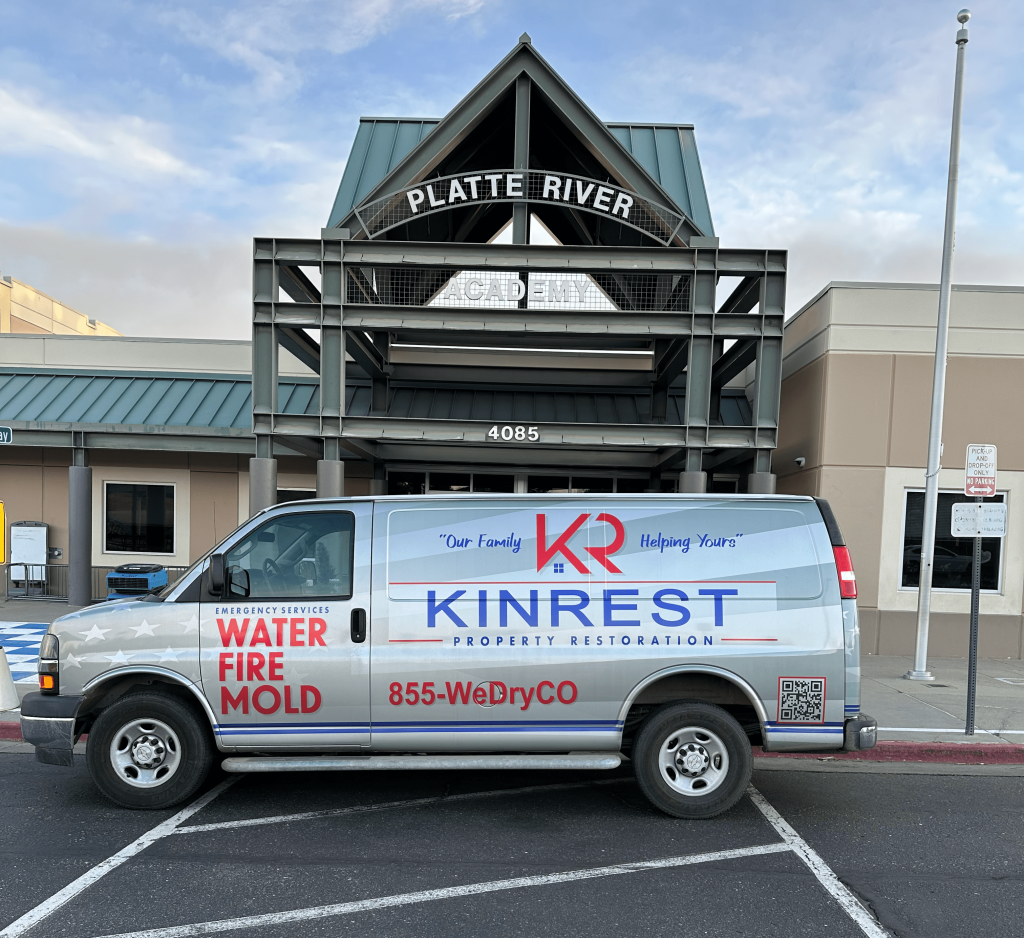
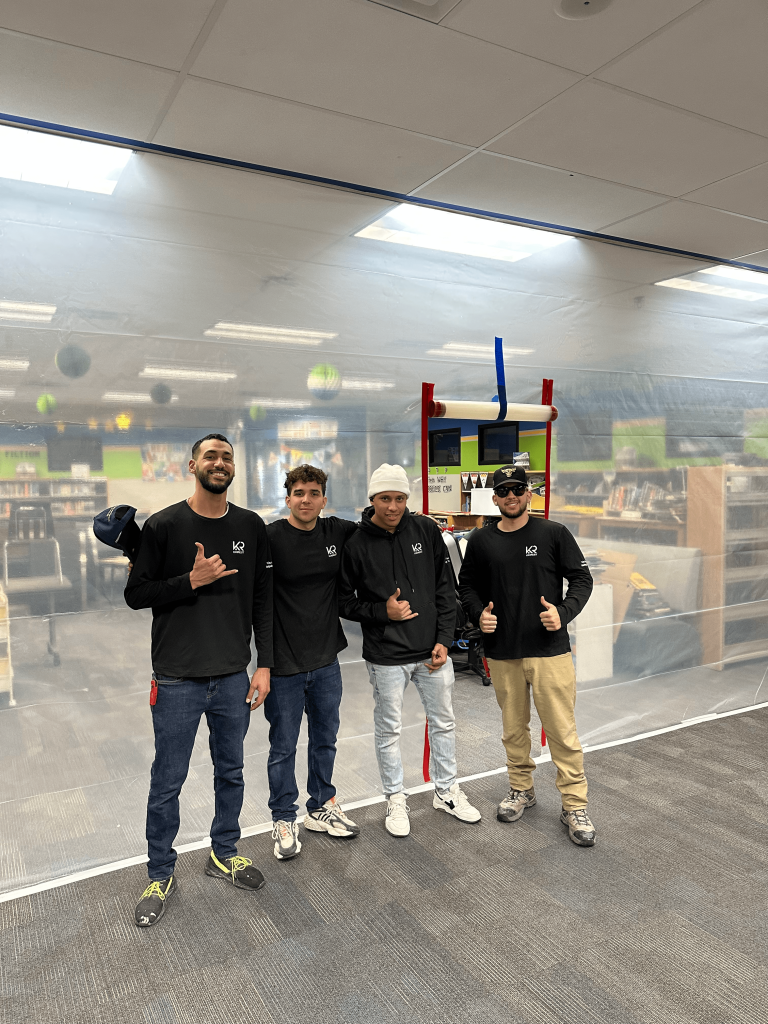
Call Kinrest Property Restoration for Hardwood Floor Water Damage Restoration in Denver Metro Area.
What Happens When Water Damage Is Left Too Long
Wood that stays wet for more than 48-72 hours begins to cup, buckle, and separate at the seams. After that window, mold can colonize the subfloor and joists beneath. Floors left wet for weeks often require full board replacement and subfloor treatment rather than simple drying.
This is the most common situation for Denver residents who didn’t realize a slow leak had been running behind an appliance or under a bathroom. Understanding the timeline helps you act fast and avoid a much larger restoration scope. Denver’s dry winters can mask moisture under hardwood – the surface may feel dry while the subfloor stays damp for weeks.
How Denver Crews Dry and Restore Hardwood After a Water Loss
Our licensed crews use moisture meters to set a drying target, then deploy commercial dehumidifiers and floor mat drying systems directly against the wood. Drying typically takes 3-5 days depending on board thickness and how far water spread. Throughout the process, moisture readings are logged daily to confirm the wood is returning to safe levels.
This process is used for kitchen leaks, bathroom overflows, appliance failures, and post-flood cleanup across Denver. Floor mat drying systems pull moisture from below the surface without removing boards – protecting both the finish and the subfloor structure. At Denver’s elevation, evaporation rates are higher, so our crews adjust dehumidifier targets to avoid over-drying the wood.
How to Prepare Your Home Before the Restoration Team Arrives
Remove furniture and area rugs from the affected area before our crew arrives. Do not use fans aimed directly at the floor – uncontrolled airflow can cause uneven drying and more cupping. If water is still present, blot or mop up standing water but avoid heat sources like space heaters.
These simple prep steps protect your floor from additional damage during the wait. Avoid opening windows in winter – Denver’s cold, dry air can cause surface boards to dry faster than the subfloor, increasing the risk of cracking and separation.
Hardwood floor damage is one of many restoration services we provide.
Frequently Asked Questions
Can Hardwood Floors Really Be Saved After A Flood Or Major Leak?
Yes, in most cases hardwood floors can be saved – success depends on how quickly drying starts and whether the subfloor is still structurally sound. The sooner you call, the more of your floor we can protect.
How Do I Know If There Is Mold Growing Under My Hardwood Floors?
Signs include a musty odor, soft spots, dark staining along seams, and discoloration on board edges – moisture testing confirms whether mold is present. Don’t wait for visible growth; call for an assessment if you notice any of these signs.
How Long Does The Drying Process Take For Hardwood Floors In Denver?
Drying typically takes 3-5 days with professional equipment; older thick solid hardwood may take longer. Our crew monitors moisture levels throughout the process to protect both the boards and the subfloor.
Do All The Boards Need To Be Replaced, Or Just The Damaged Ones?
In many cases only cupped or buckled boards need replacement – undamaged boards are dried and returned to safe moisture levels in place. Moisture testing guides exactly which sections require further treatment after the drying phase.
What Is The Difference Between Cupping And Buckling In Hardwood Floors?
Cupping means board edges rise higher than the center; buckling means boards lift away from the subfloor entirely – both indicate excess moisture. Either condition should be assessed quickly before the damage spreads.
Is It Safe To Stay In The House While Hardwood Floor Water Damage Restoration Is Happening?
Generally yes – our crews will block off the work area so you can stay in other parts of your home. If mold is confirmed, a remediation assessment will guide next steps.
Kinrest Property Restoration of Denver 851 CO-224 Unit A9, Denver, CO 80229 (855) 933-7926 Available 24/7