Mold Remediation Denver CO
Kinrest Property Restoration provides professional mold remediation in Denver CO. Our IICRC-certified technicians identify mold sources, contain affected areas, and safely remove mold from your property. We prevent future growth and restore indoor air quality. Call (855) 933-7926 for 24/7 mold inspection and removal.
24/7 Emergency Mold Remediation in Denver CO. Call (855) 933-7926 for Immediate Inspection!
- Licensed and Certified
- 24/7 Service Available
- 100% Satisfaction Guarantee
- We Keep Your Family Safe
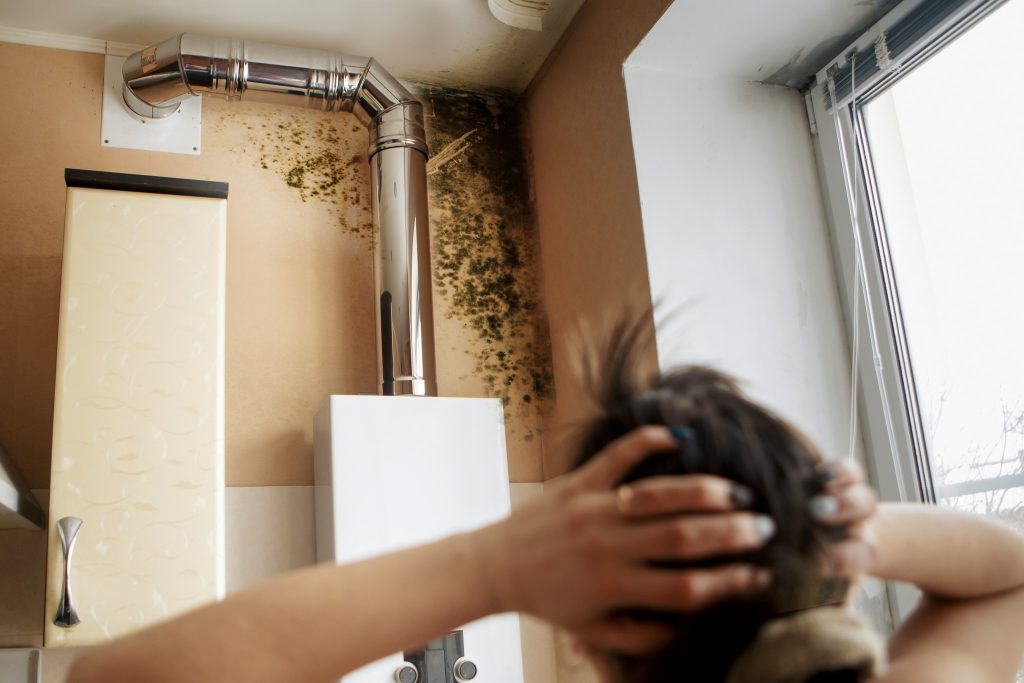
Mold growth in Denver CO properties requires immediate professional remediation. Colorado’s fluctuating humidity levels, water damage from burst pipes, and moisture from spring snowmelt create conditions for mold development. Unaddressed mold spreads quickly and causes health problems including respiratory issues, allergies, and asthma complications.
Our team responds immediately to assess mold damage, identify moisture sources, and develop remediation plans. We follow IICRC standards and EPA guidelines for safe mold removal. Our process includes containment, air filtration, removal, and prevention measures to protect your property and health.
This page covers our complete mold remediation process, health risks from mold exposure, and what to expect when you call us for mold inspection in Denver CO. We are available 24/7 at (855) 933-7926 for emergency mold services.
Understanding Mold Growth
Mold grows when moisture and organic materials combine. Common causes in Denver include water damage, plumbing leaks, poor ventilation, and humidity from spring snowmelt or summer storms.
Areas Most Affected by Mold:
- Basements (moisture from foundation issues or flooding)
- Bathrooms (humidity from showers and poor ventilation)
- Attics (roof leaks and condensation)
- Crawl spaces (ground moisture and poor air circulation)
Mold exposure causes respiratory issues, allergic reactions, asthma complications, and other health problems. People with weakened immune systems face greater risks. Professional remediation eliminates health hazards and prevents mold recurrence.
Our Mold Remediation Process
At Kinrest, we understand how mold can threaten your home and health. Our comprehensive mold damage repair services are designed to tackle mold issues effectively and efficiently. Here’s how we can help:
Inspection and Assessment
- Thorough Inspection: We start with a detailed inspection of your property to identify mold growth and assess the extent of the damage.
- Assessment Report: After the inspection, we provide a clear report outlining the findings and the necessary steps for remediation.
- Customized Plan: We create a tailored plan to address your specific mold issues, ensuring no detail is overlooked.
Mold Containment
- Prevent Spread: We set up containment barriers to prevent mold spores from spreading to unaffected areas.
- Air Filtration: High-efficiency air filters are used to capture airborne mold spores during the remediation process.
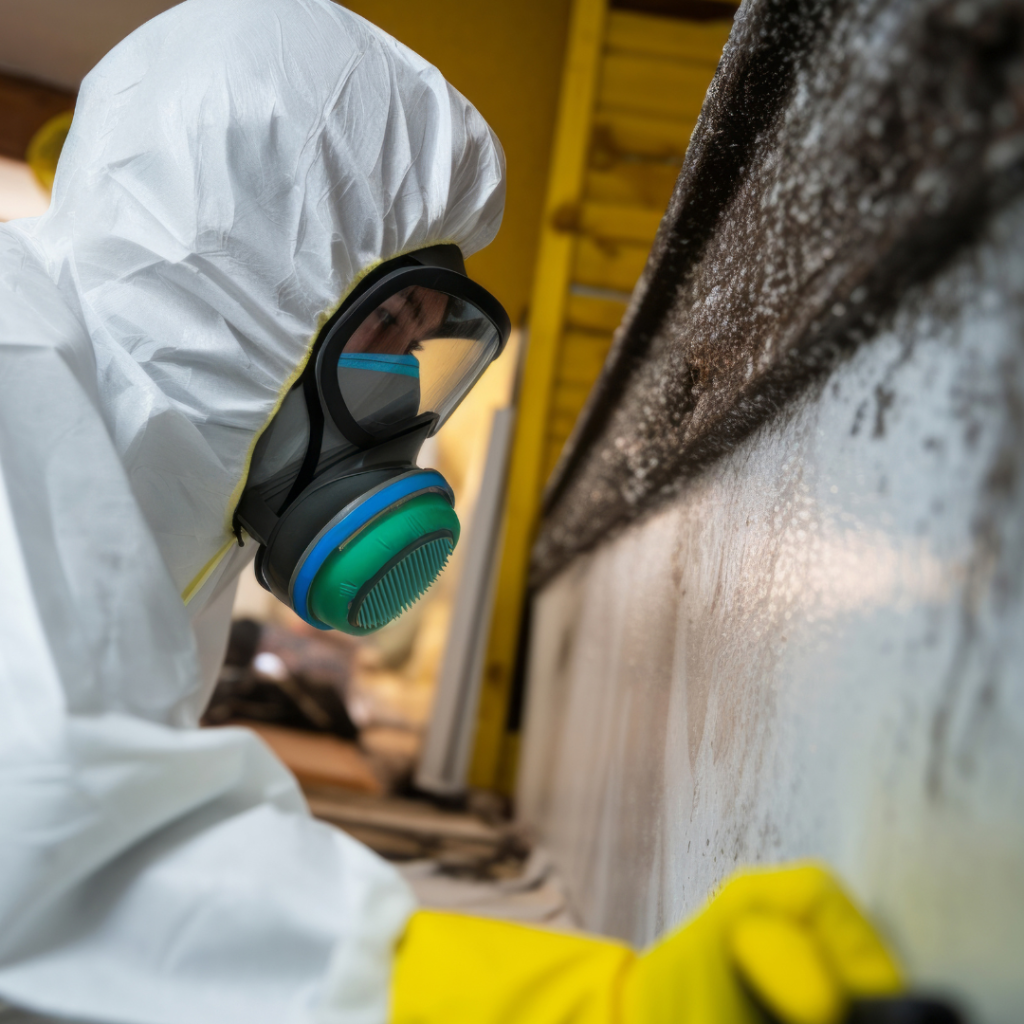
- Safety Protocols: Our team follows strict safety protocols to protect your home and our workers.
Mold Removal and Cleaning
- Expert Removal: Our trained professionals use advanced techniques to safely remove mold from your home.
- Surface Cleaning: We clean and disinfect all affected surfaces to ensure no mold remains.
- Restoration: After removal, we can assist with any necessary repairs to restore your home to its original condition.
Our technicians understand mold patterns in Denver properties. Basements affected by spring snowmelt, bathrooms with poor ventilation, and attics with roof leaks are common problem areas. We use thermal imaging cameras and moisture meters to detect hidden mold behind walls and under flooring. Denver’s dry climate can mask moisture problems until mold becomes visible. Our inspection identifies all affected areas and moisture sources to prevent recurrence.
Mold spores spread easily through HVAC systems common in Denver homes. We seal off affected areas with plastic sheeting and create negative air pressure to prevent spore migration. Our HEPA filtration systems capture airborne spores during removal. This containment protects unaffected areas of your home and prevents cross-contamination. We follow EPA and IICRC containment protocols specific to residential and commercial properties.
Removal methods depend on the surface and extent of contamination. Porous materials like drywall and insulation typically require removal and disposal. Non-porous surfaces like tile and metal can be cleaned and disinfected. We use EPA-registered antimicrobial treatments and HEPA vacuums. All removed materials are bagged and disposed of according to local regulations. Our cleaning process eliminates mold at the source rather than just covering it up. Final air quality testing confirms successful remediation.
Our Mold Remediation Process
At Kinrest, we understand how mold can threaten your home and health. Our comprehensive mold damage repair services are designed to tackle mold issues effectively and efficiently. Here’s how we can help:
Inspection and Assessment
- Thorough Inspection: We start with a detailed inspection of your property to identify mold growth and assess the extent of the damage.
- Assessment Report: After the inspection, we provide a clear report outlining the findings and the necessary steps for remediation.
- Customized Plan: We create a tailored plan to address your specific mold issues, ensuring no detail is overlooked.
Our technicians understand mold patterns in Denver properties. Basements affected by spring snowmelt, bathrooms with poor ventilation, and attics with roof leaks are common problem areas. We use thermal imaging cameras and moisture meters to detect hidden mold behind walls and under flooring. Denver’s dry climate can mask moisture problems until mold becomes visible. Our inspection identifies all affected areas and moisture sources to prevent recurrence.
Mold Containment
- Prevent Spread: We set up containment barriers to prevent mold spores from spreading to unaffected areas.
- Air Filtration: High-efficiency air filters are used to capture airborne mold spores during the remediation process.
- Safety Protocols: Our team follows strict safety protocols to protect your home and our workers.
Mold spores spread easily through HVAC systems common in Denver homes. We seal off affected areas with plastic sheeting and create negative air pressure to prevent spore migration. Our HEPA filtration systems capture airborne spores during removal. This containment protects unaffected areas of your home and prevents cross-contamination. We follow EPA and IICRC containment protocols specific to residential and commercial properties.
Mold Removal and Cleaning
- Expert Removal: Our trained professionals use advanced techniques to safely remove mold from your home.
- Surface Cleaning: We clean and disinfect all affected surfaces to ensure no mold remains.
- Restoration: After removal, we can assist with any necessary repairs to restore your home to its original condition.
Removal methods depend on the surface and extent of contamination. Porous materials like drywall and insulation typically require removal and disposal. Non-porous surfaces like tile and metal can be cleaned and disinfected. We use EPA-registered antimicrobial treatments and HEPA vacuums. All removed materials are bagged and disposed of according to local regulations. Our cleaning process eliminates mold at the source rather than just covering it up. Final air quality testing confirms successful remediation.
With our mold remediation services, you can trust that your home is in good hands. We are committed to providing the best care and support to our Denver community.

Mold can be a serious issue for homeowners, especially in areas like Denver where humidity can fluctuate. Taking proactive steps can help you avoid mold problems. Here are some effective strategies:
Controlling Humidity Levels
- Use dehumidifiers in damp areas like basements.
- Keep indoor humidity below 50%.
- Regularly check for leaks in plumbing and roofs.
Proper Ventilation
- Ensure bathrooms and kitchens have exhaust fans.
- Open windows when weather permits to allow fresh air in.
- Use air purifiers to improve air quality.
Regular Maintenance Tips
- Inspect your home for any signs of water damage.
- Clean gutters regularly to prevent water buildup.
- Store items in dry areas to avoid moisture accumulation
By following these tips, you can significantly reduce the risk of mold damage in your home. Stay vigilant and proactive to protect your living space from unwanted mold growth!
Why Choose Kinrest For Mold Remediation Denver CO
When it comes to mold damage repairs, Kinrest stands out for several reasons. We are dedicated to providing top-notch service to homeowners in the Denver area. Here’s why you should choose us:
IICRC-Certified Mold Specialists
- Our technicians hold IICRC certifications in Applied Microbial Remediation and Water Damage Restoration. We complete ongoing training in the latest mold remediation techniques and EPA guidelines. Our team understands mold species common to Colorado and appropriate removal methods for each type. We follow industry best practices and local building codes for all remediation work.
Advanced Detection and Removal Equipment
- We use professional-grade equipment including thermal imaging cameras, moisture meters, negative air machines, and HEPA air scrubbers. Our containment systems prevent spore spread during removal. Industrial dehumidifiers and air movers eliminate moisture that causes mold growth. This professional equipment ensures thorough remediation that prevents mold from returning. Homeowner equipment and DIY methods cannot achieve the same results.
Complete Mold Solutions
- From initial inspection through final clearance testing, we handle every aspect of mold remediation. We identify and repair moisture sources like plumbing leaks, roof damage, or foundation issues. Our team coordinates with insurance companies and provides detailed documentation for claims. We restore affected areas after mold removal including drywall replacement, painting, and finishing work. You work with one company from start to finish.
Signs You Need Mold Remediation
Visible Mold Growth
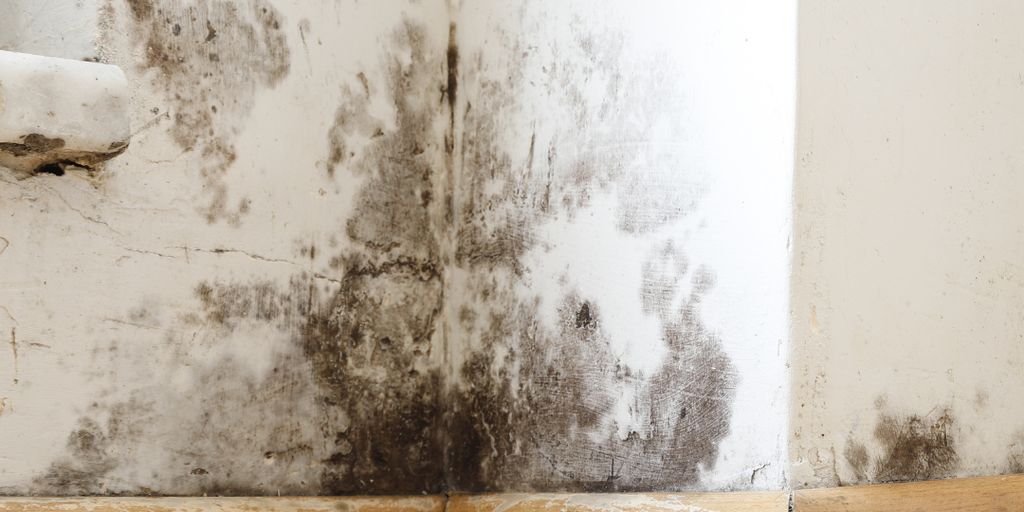
One of the most obvious signs that you need mold removal in your home is visible mold growth. This can appear as dark spots on walls, ceilings, or floors. If you see any mold, it’s crucial to act quickly to prevent further damage.
Musty Odors
If you notice a musty smell in your home, it could indicate hidden mold. This odor often comes from damp areas where mold thrives. Don’t ignore it; it’s a sign that you may need professional help.
Water Damage History
If your home has a history of water damage, such as leaks or flooding, you should be vigilant. Mold can develop in these areas, even if you can’t see it. Regular checks in these spots can help catch mold early.
Summary of Signs
Here’s a quick list of signs that indicate you might need mold damage repair:
- Visible mold growth on surfaces
- Musty odors in the air
- History of water damage in your home
Post-Remediation Steps
After we’ve completed the mold remediation process, there are several important steps to ensure your home remains safe and healthy. Following these steps can help prevent future mold issues.
Final Inspection
- Conduct a thorough inspection of the affected areas to ensure all mold has been removed.
- Check for any signs of moisture that could lead to future mold growth.
- Ensure that all repairs have been completed properly.
Preventive Measures
- Control humidity levels in your home by using dehumidifiers.
- Ensure proper ventilation in areas like bathrooms and kitchens.
- Regularly check for leaks or water damage in your home.
Follow-Up Services
- Schedule a follow-up inspection with us to ensure everything is still in good condition.
- Consider enrolling in our maintenance program for ongoing support.
- Stay informed about mold prevention tips and best practices.
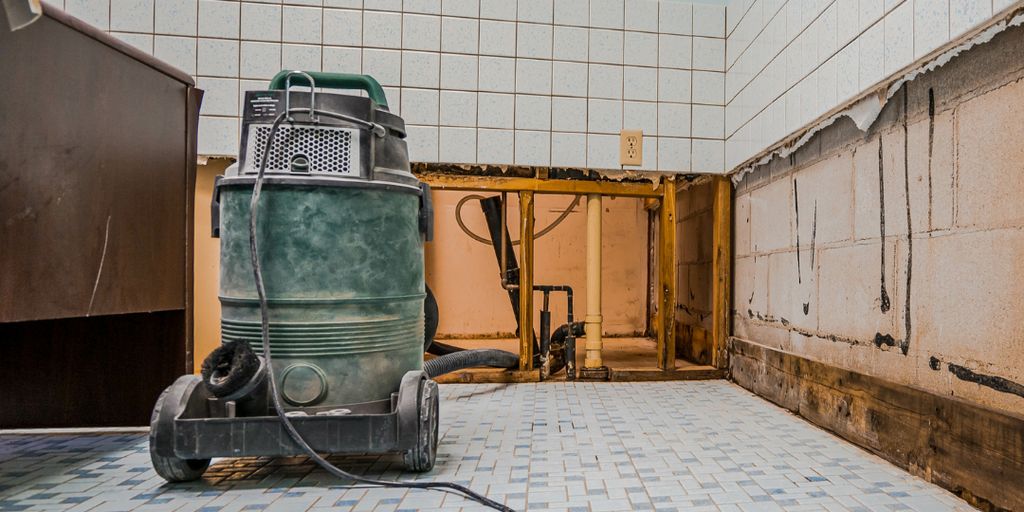
By taking these steps, you can help protect your home and family from the dangers of mold. If you have any questions or need assistance, feel free to reach out to us at Kinrest!
“Keeping thorough records can significantly speed up the claims process and ensure you receive the compensation you deserve.”
Final Thoughts on Mold Remediation with Kinrest
Dealing with mold contamination requires professional remediation to protect your property and health. Kinrest Property Restoration provides complete mold remediation services in Denver CO including inspection, containment, removal, and prevention. Our IICRC-certified technicians respond quickly to mold emergencies and work directly with insurance companies. If you notice mold growth, musty odors, or water damage in your Denver property, contact Kinrest immediately at (855) 933-7926 for professional mold remediation services. Part of our Denver water damage and mold restoration services.
Frequently Asked Questions
How Much Does Mold Remediation Cost In Denver CO?
Mold remediation in Denver CO typically costs $1,500-$6,000 depending on the extent of contamination and affected area size. Small bathroom mold (under 10 square feet) may cost $500-$1,500, while extensive basement mold requiring drywall removal can reach $10,000-$30,000. Most homeowners insurance policies cover mold remediation when caused by sudden water damage like burst pipes. Insurance typically does not cover mold from long-term maintenance issues or humidity. We provide free mold inspections and work directly with insurance adjusters. Call (855) 933-7926 for mold assessment and cost estimate in Denver.
How Long Does Mold Remediation Take In Denver?
Most mold remediation projects in Denver take 3-7 days from initial inspection to completion. Small areas (under 10 square feet) can be remediated in 1-2 days. Large contamination requiring extensive removal and reconstruction can take 2-3 weeks. Timeline depends on mold extent, materials affected, drying time needed, and whether repairs are required. Denver's dry climate helps speed drying after moisture source elimination. Containment and removal typically take 2-3 days, followed by drying and air quality testing. We provide detailed timelines during the initial inspection.
Is Mold Dangerous To My Health In Denver?
Mold exposure causes health problems including respiratory issues, allergic reactions, asthma attacks, skin irritation, and headaches. People with weakened immune systems, allergies, or asthma face greater risks. Black mold (Stachybotrys) produces mycotoxins that cause severe reactions. Even non-toxic molds trigger allergic responses in sensitive individuals. Denver's altitude can intensify respiratory symptoms from mold exposure. Children and elderly individuals are particularly vulnerable. Professional mold remediation eliminates health risks and improves indoor air quality. If you experience unexplained health symptoms at home, schedule mold inspection immediately.
What Causes Mold Growth In Denver Homes?
Mold grows when moisture and organic materials are present. Common causes in Denver include burst pipes during winter freezes, roof leaks from hailstorms, basement flooding from spring snowmelt, plumbing leaks, condensation from poor ventilation, and HVAC system moisture. Bathrooms and basements with high humidity are prime mold locations. Water damage creates mold growth within 24-48 hours if not properly dried. Denver's dry climate can mask humidity problems in specific areas of homes. Our inspection identifies moisture sources and recommends solutions to prevent future mold growth.
Can I Remove Mold Myself Or Do I Need Professionals?
You can clean very small mold patches (under 10 square feet) on non-porous surfaces using household cleaners. However, professional mold remediation is necessary for large contamination, mold on porous materials (drywall, insulation), mold in HVAC systems, and mold caused by sewage or contaminated water. DIY removal cannot eliminate mold inside walls or under flooring. Professional equipment prevents spore spread during removal. We test air quality after remediation to confirm complete removal. Improper DIY removal can spread spores throughout your home and worsen contamination. Call (855) 933-7926 for professional mold inspection in Denver.
How Do I Prevent Mold After Remediation?
Prevent mold recurrence by controlling moisture and humidity levels below 50% using dehumidifiers. Fix plumbing leaks immediately and repair roof damage promptly. Ensure proper ventilation in bathrooms and kitchens with exhaust fans. Clean gutters regularly to prevent water damage. Inspect basements after spring snowmelt for moisture. Address condensation on windows and pipes. Monitor areas previously affected by mold for new growth. We provide detailed prevention recommendations after remediation. Schedule annual inspections for properties with previous mold problems. Prompt water damage response prevents mold development.