Reconstruction Services in Denver - Rebuild After Water, Fire, or Storm Damage
Reconstruction services in Denver, CO – Kinrest Property Restoration handles the full rebuild after water, fire, and storm damage. Licensed local crews available 24/7 for residential and commercial properties. Call (855) 933-7926 to schedule your damage assessment.
We Are Available 24/7 for Property Reconstruction Services in Denver. Call (855) 933-7926 for Immediate Response!
- Licensed and Certified
- 24/7 Service Available
- 100% Satisfaction Guarantee
- We Keep Your Family Safe

Water damage, fire damage, and storm damage all have one thing in common – cleanup and drying are only part of the job. Once mitigation is complete, the physical rebuild begins. Walls need to be reframed, floors replaced, drywall hung, and finishes restored before a property is safe and livable again.
Kinrest handles full reconstruction services in Denver for homes and commercial buildings across the metro area. Whether you need water damage reconstruction after a burst pipe or flood, fire damage reconstruction after a kitchen or structure fire, or storm damage reconstruction after hail or wind tore through your roof, we take the project from assessment to final walkthrough. One team, start to finish.
What Reconstruction Services Include After Property Damage
Reconstruction services in Denver cover the repairs needed after water, fire, smoke, or storm damage has been mitigated. Once mitigation is complete – water extracted, debris cleared, and damaged materials removed – a reconstruction crew rebuilds the structural and cosmetic elements of a property so it is safe and livable again.
Services typically include:
- Structural framing, subfloor repair, and wall rebuilds
- Drywall installation, painting, and finish carpentry
- Flooring, ceiling repair, and fixture reinstallation
Reconstruction after water damage is one of the most common needs in Denver – frozen pipe bursts, basement flooding, and hail-damaged roofs that allowed water into living spaces all require physical rebuilding once mitigation is complete. The same applies after fire and smoke events, where framing and wall cavities often sustain damage that is not visible until demolition begins.
Full-scope rebuild means one contractor handles everything from rough framing to final walkthrough. You do not have to coordinate between multiple vendors or track down separate crews for each trade.
Denver’s housing stock includes a large number of mid-century and Victorian-era homes – many in neighborhoods like West Colfax. Reconstruction in these properties often requires sourcing materials that match existing finishes and architectural details. We account for that from the start.
Why Denver Properties Need Professional Reconstruction After Water or Fire Events
Water and fire damage weaken structural components that cannot simply be dried out or painted over. Saturated framing, charred studs, and warped subfloors need to be assessed and replaced by a licensed contractor – not patched and covered. Fire damage reconstruction in particular often involves hidden structural compromise that is not visible until walls are opened up.
Professional reconstruction means walls, floors, and framing are brought up to current Denver building codes before the property is reoccupied. That matters for safety, and it matters for your insurance claim.
Denver property owners filing insurance claims need contractors who can document scope in detail and complete permitted work. Undocumented or unpermitted repairs can cause problems at resale or when a lender requires proof of code-compliant work.
Properly permitted reconstruction also protects your property’s value. If you plan to sell or refinance, lenders and buyers will ask whether work was permitted and inspected. Having that documentation in place from the start avoids complications later.
In Denver, general contractor licenses for reconstruction work are issued by the city – through Denver Community Planning and Development – not at the state level. Always ask your contractor for their city-issued license before work begins.
How the Reconstruction Process Works From Assessment to Completion
Reconstruction starts with a detailed scope-of-work assessment tied directly to the damage report from mitigation. We document what needs to be rebuilt, what materials are required, and what permits must be pulled before work can begin.
Crews sequence work in phases – structural first, then mechanical rough-ins, then drywall and finishes. This order matters. Doing finish work before rough inspections are signed off creates rework and delays.
In Denver, timelines vary based on permit pull times through Denver Community Planning and Development. Our team has experience moving through that process and can give you a realistic schedule at the start of your project.
A phased, documented process also supports insurance reimbursement. When your adjuster can see a clear scope, a permit record, and inspection sign-offs at each phase, the claim process moves faster and with fewer disputes.

What to Expect During Reconstruction in Denver
Reconstruction moves in phases, and each phase looks different. Early on, the work is rough – framing, subfloor repair, and rough mechanical installations. The space will not look finished for a while, and that is normal. The visible progress comes later, once drywall, paint, and flooring go in.
During active work phases, the affected area will not be accessible. Crews set containment barriers to keep dust and debris out of unaffected areas of your home or business. If you are staying on the property during reconstruction, your contractor should walk you through which areas are off limits and for how long.
Timelines vary based on scope. A single room with drywall and flooring damage may be completed in a week or two. A full floor or structural rebuild after a major fire or flood can take several weeks. You will receive a phased schedule before work begins so you are not guessing about when each stage wraps up.
If your property requires temporary relocation, knowing that timeline in advance matters. We give you a realistic schedule at the assessment stage – not after demolition has already started.
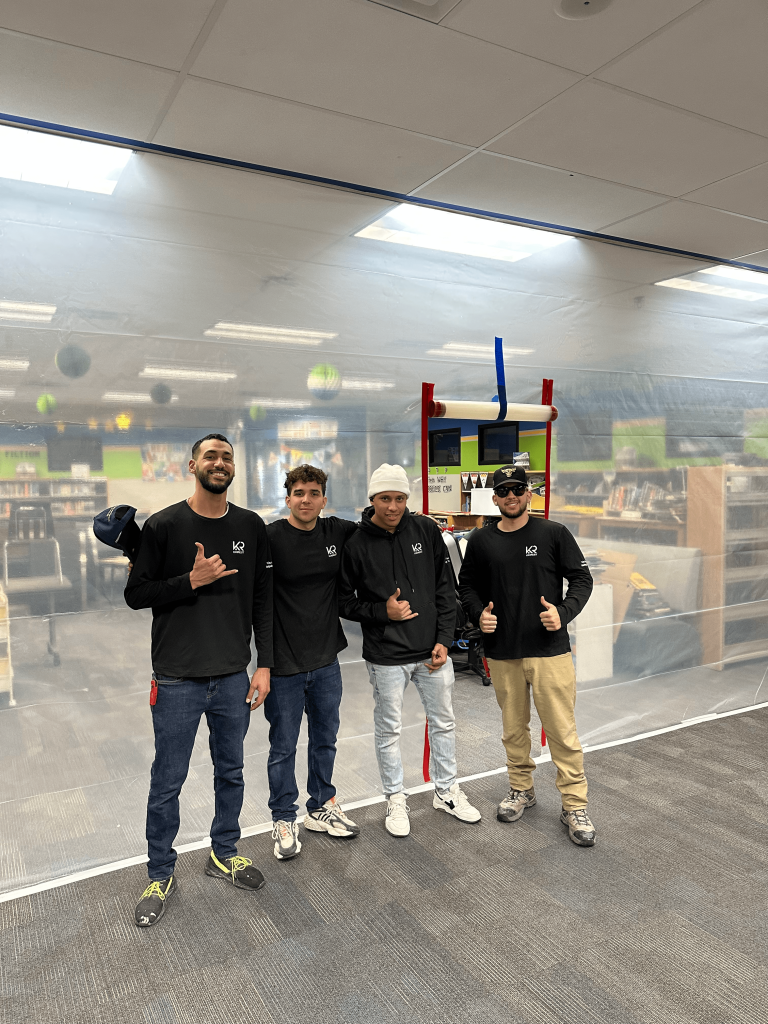
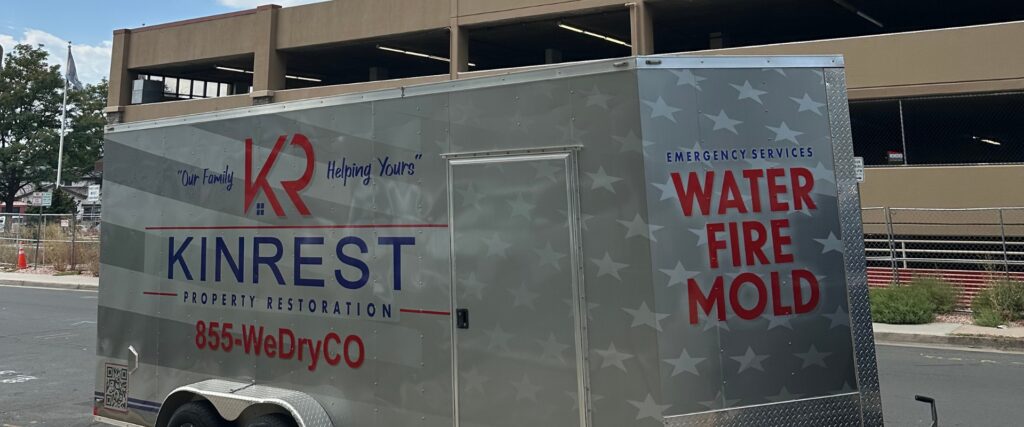
Call Kinrest Property Restoration for Reconstruction Services in Denver Metro Area.
How to Prepare Your Property for Reconstruction Work
Before crews arrive, remove personal belongings from the work area and photograph anything that remains. That documentation is useful if contents need to be inventoried for your insurance claim.
Confirm that your insurance adjuster has approved the scope of work and that you have signed the contractor authorization before work starts. Starting without written approval can create billing and coverage problems later.
Denver homeowners should also verify that utilities – gas, electric, and water – have been cleared for work by the mitigation team before reconstruction begins. Crews cannot safely frame or install drywall in spaces where utilities have not been properly isolated.
Preparing the site in advance keeps the project on schedule. Delays caused by unsecured utilities, missing approvals, or cluttered work areas cost time and money for everyone.
In dense Denver neighborhoods like Five Points or Baker, parking and material staging can be limited. If your project is in a tight corridor, let us know early. We will coordinate staging logistics with the city or adjacent property owners as needed.
Who Handles Reconstruction Services for Denver Homes and Businesses
Reconstruction after a damage event is performed by licensed general contractors who specialize in post-loss rebuilds. This is different from general remodeling. Post-loss work requires documentation practices, insurance coordination, and sequencing that most remodelers are not set up to handle.
The best teams work directly with insurance adjusters and are experienced with Xactimate and similar estimating platforms. That experience matters because it reduces the back-and-forth between the adjuster and contractor, which directly affects how fast your claim is resolved and work begins.
Commercial property owners in Denver – including apartment buildings, office spaces, and retail properties – need reconstruction teams familiar with commercial-grade materials and occupancy requirements. A crew experienced only in residential work is not the right fit for a multi-unit building or a commercial tenant space.
Denver’s commercial core and surrounding neighborhoods like RiNo and LoDo include older brick buildings and mixed-use structures that require specialized approaches to reconstruction. We work on both residential and commercial properties throughout the metro, so you do not need to find separate vendors based on property type.
Reconstruction is one part of our full property restoration services in Denver.
Frequently Asked Questions
Do I Need a Permit for Reconstruction Work in Denver?
Yes – structural, electrical, plumbing, and mechanical reconstruction work in Denver requires permits through Denver Community Planning and Development. Licensed contractors pull these permits on your behalf. Work performed without permits can create problems with your insurance claim and at resale.
How Long Does Reconstruction Take After Water Damage?
Timeline depends on the scope of work. Minor drywall and flooring repairs may take a few days, while full structural rebuilds can take several weeks. Your contractor should provide a phased schedule at the start of the project so you know what to expect at each stage.
Will My Insurance Cover Reconstruction Services?
Most homeowner and commercial property policies cover reconstruction after a covered loss. Your contractor’s documented scope of work supports the claim. Confirm the specific coverage details with your adjuster before work begins.
Can the Same Company Handle Mitigation and Reconstruction?
Yes – many water damage restoration companies in Denver offer both services. When one team handles mitigation and reconstruction, coordination is simpler and the overall timeline is often faster. There is no handoff gap between the cleanup crew and the rebuild crew.
Do I Need to Move Out During Reconstruction?
It depends on the scope. Localized repairs may allow you to stay in unaffected areas of the property. Full-floor or structural rebuilds often require temporary relocation. Your contractor can give you a clear answer after the initial assessment.
What Is the Difference Between Restoration and Reconstruction?
Restoration refers to cleaning, drying, and returning salvageable materials to pre-loss condition. Reconstruction refers to physically rebuilding or replacing structural and finish components that cannot be restored. Both may be part of the same project, but they are separate scopes of work.
Kinrest Property Restoration of Denver 851 CO-224 Unit A9, Denver, CO 80229 (855) 933-7926 Available 24/7