Structural Drying in Denver - Stop Hidden Moisture Before It Destroys Your Home
Water soaks into walls, floors, and framing fast – and stays hidden longer than most homeowners expect. Structural drying in Denver removes that trapped moisture before mold and rot set in. Our licensed restoration crews serve Denver homes and businesses. We’re available for emergency response – Call to get drying equipment on-site today.
We Are Available 24/7 for Structural Drying in Denver CO. Call (855) 933-7926 for Immediate Response!
- Licensed and Certified
- 24/7 Service Available
- 100% Satisfaction Guarantee
- We Keep Your Family Safe
In Denver, water damage doesn’t stop at the surface. It soaks into wall cavities, subfloors, and wood framing where you can’t see it or feel it. We provide professional structural drying after floods, burst pipes, roof leaks, and appliance failures. Our crews can typically deploy equipment the same day you call – though drying timelines vary by material type and how deep the moisture goes. Proper structural drying is the core of water damage restoration. It protects your home’s frame, prevents mold, and creates the documentation your insurance adjuster needs.
What Is Structural Drying in Denver?
Structural drying is the controlled process of removing moisture from walls, floors, ceilings, and wood framing after water damage. In Denver, restoration crews use industrial air movers, dehumidifiers, and moisture meters to dry building materials from the inside out. The goal is to return materials to safe moisture levels before mold growth or structural weakening can occur.
- Targets hidden moisture in wall cavities and subfloors
- Uses equipment sized for Denver’s altitude and dry climate conditions
- Typically runs 3-5 days depending on material type and saturation depth
What Structural Drying Actually Does to Your Home's Frame and Walls
Structural drying pulls moisture out of porous materials – wood framing, drywall, insulation, and concrete – using airflow and controlled humidity. It goes beyond surface drying. Our technicians measure moisture content inside wall assemblies using penetrating meters, not just surface readings.
In Denver homes, this matters especially for older construction where framing is tight and vapor barriers may be missing. Drying the structure – not just the surface – is what stops mold colonies from forming inside walls. Denver’s high altitude affects dehumidifier output. Our commercial units are sized and calibrated for the 5,280-foot elevation to perform correctly on every job.
How Long Structural Drying Takes After a Flood or Pipe Leak in Denver
Most residential structural drying jobs in Denver take 3-5 days when equipment is deployed promptly. The timeline depends on material type, depth of saturation, and how quickly drying began after the loss. Homeowners in Central Park and Green Valley Ranch with slab-on-grade construction often face longer subfloor drying timelines.
We take daily moisture readings so we can confirm progress and adjust equipment placement as the job moves forward. There’s no guessing. Denver’s low ambient humidity supports faster evaporation in many cases, but freeze-thaw cycles in winter can push moisture deeper into building materials – sometimes before the damage is even discovered.

Why a Household Dehumidifier Won't Finish the Job in a Wet Wall
A standard box-store dehumidifier pulls moisture from room air. It cannot reach moisture trapped inside wall cavities or under flooring. Structural drying requires directional air movers that force dry air into wall assemblies, combined with commercial-grade desiccant or refrigerant dehumidifiers.
Denver homeowners who try to dry walls with consumer units often find hidden moisture weeks later – when mold is already growing. Professional equipment removes significantly more moisture per hour than a residential unit. Denver’s dry outdoor air can also mask rising indoor humidity readings, making it easy to underestimate how wet a wall assembly still is.
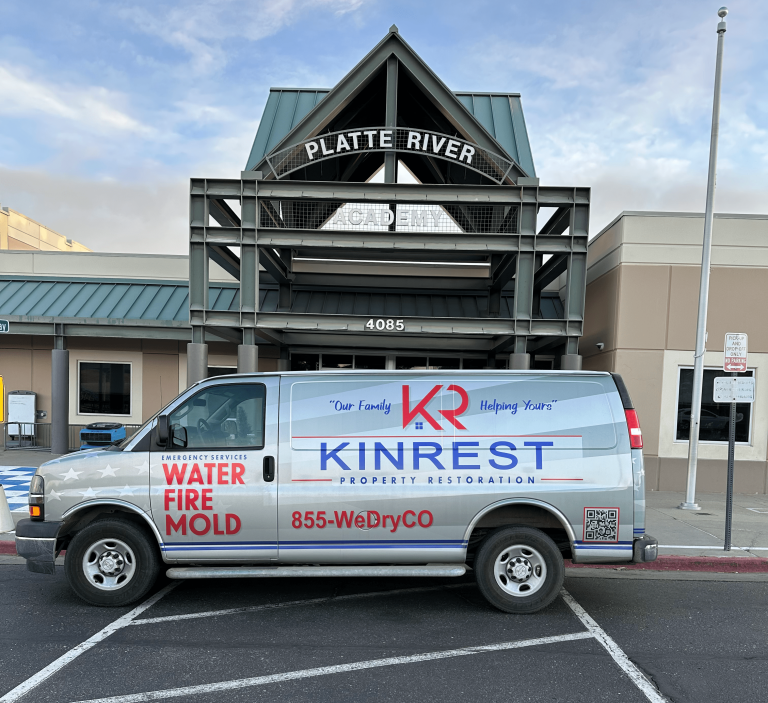
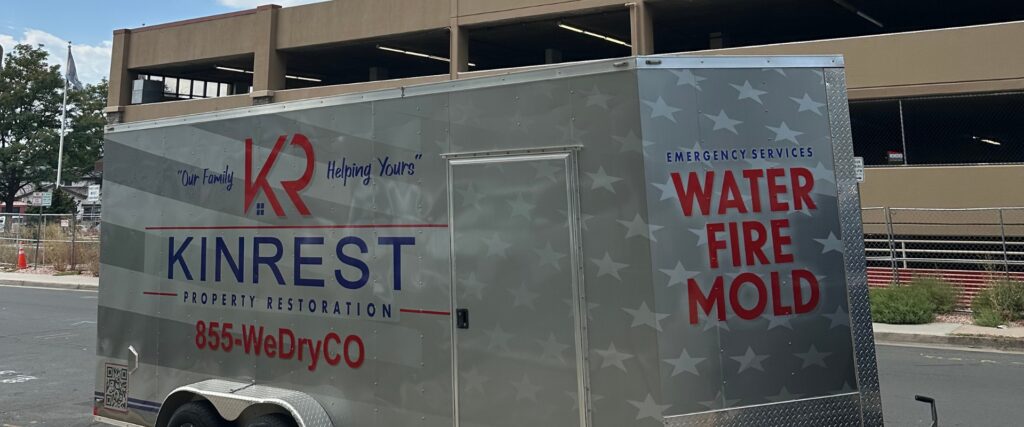
Call Kinrest Property Restoration for Structural Drying in Denver Metro Area.
Common Drying Mistakes That Lead to Mold and Structural Damage
The biggest mistake is stopping equipment too early. Surfaces feel dry while framing and subfloor materials remain saturated. Other common errors include not removing baseboards to allow wall cavity airflow, skipping moisture mapping before equipment setup, and failing to document daily readings.
In Denver’s Capitol Hill and Baker neighborhoods, older plaster-and-lath walls hold moisture longer than modern drywall. These walls require extended drying times that a homeowner – or an under-equipped crew – may not account for. Our certified technicians follow IICRC S500 drying standards. That documented protocol protects both your home’s structure and your insurance claim. Colorado’s temperature swings between day and night can also slow drying if equipment isn’t adjusted for overnight conditions.
What to Expect During the Structural Drying Process
On day one, our technicians assess the moisture damage, map wet zones with meters, remove any standing water, and set air movers and dehumidifiers in the affected areas. Days 2 through 4, we return for daily monitoring visits. We track moisture readings across all affected materials and reposition equipment as drying progresses.
At the final visit, we confirm materials have reached target moisture levels, document completion, and clear the equipment. The process is the same whether the loss is in a single-family home in Highlands or a multi-unit building in RiNo. A written moisture log from each visit gives you a clear record for your insurance adjuster.
How Homeowners Insurance Handles Structural Drying After Water Damage
Most standard homeowners insurance policies in Colorado cover structural drying when the water damage results from a sudden and accidental event – like a burst pipe or appliance failure. Gradual leaks or flooding from outside the home may require separate coverage. Your adjuster will review the cause of loss.
Denver restoration companies experienced with Colorado insurers document moisture readings, equipment logs, and drying completion in the format adjusters require. Proper documentation from a licensed restoration crew reduces delays and disputes during the claims process. Colorado’s DORA-licensed contractors can provide documentation that meets state and insurer requirements for covered water damage claims.
View our full list of water damage restoration services in Denver CO.
Frequently Asked Questions
How Do I Know If My Walls Are Still Wet After Water Damage?
Walls can feel dry to the touch while still holding moisture inside – a certified technician uses penetrating moisture meters to check framing and cavity materials. Surface dryness is not a reliable sign that the wall assembly is safe.
How Long Does Structural Drying Take in a Denver Home?
Most jobs run 3-5 days when equipment is deployed promptly. Slab foundations, concrete walls, or a delayed response can extend that timeline.
Will My Floors Need to Be Removed for Structural Drying?
Not always – technicians use floor mat drying systems to pull moisture through hardwood and tile without demolition in many cases. The decision depends on material type and saturation depth.
Can Mold Start Growing While Structural Drying Is Still in Progress?
Mold can begin in 24-48 hours in saturated materials. Starting drying quickly and keeping humidity controlled throughout the process reduces that risk significantly.
Does a Restoration Company Handle the Insurance Paperwork for Structural Drying?
Most licensed Denver restoration companies document moisture logs, equipment records, and drying completion reports in formats that work with major Colorado insurers.
What Is the Difference Between Structural Drying and Water Extraction?
Water extraction removes standing water. Structural drying removes moisture that has absorbed into building materials. Both are usually needed after a significant water loss.
Kinrest Property Restoration of Denver 851 CO-224 Unit A9, Denver, CO 80229 (855) 933-7926 Available 24/7